5 ways to deepen your connection with nature

Hi Compassionates,

Happy New year!  I hope you’ve had a good start to 2025, and you are enjoying winter, wherever you are, and in whichever way possible. Whether it’s gazing out the window with a cup of hot chocolate in our hands, or venturing outdoors for a more up close and personal experience in our local green space and beyond. January is a great time to start noticing nature, to start as we mean to go on. 

Winter is definitely a difficult time to get outdoors, the chilly temperatures and limited light leave us feeling below par. It’s natural to want to stay indoors. All the more reason to draw inspiration from our native wildlife and consider how they adapt to survive the winter months. 

Did you unwrap a winter woolly for Christmas? Wool is probably the warmest material we can wear during winter, for an extra layer of insulation. Just like our native mammals grow a winter coat; foxes, deer, badgers and squirrels, we too can layer up, with extra clothing, which will help us to stay warm and enjoy some quality time outdoors. 

Or perhaps you are more of a hibernator, like the humble hedgehog who likes to hunker down for winter months. Me too! But with that comes an opportunity to practice noticing nature from the comfort of our home. Whether it’s gazing out at the garden, balcony, at the trees that line our streets, or up at the sky, winter presents the perfect opportunity to notice nature from the window.
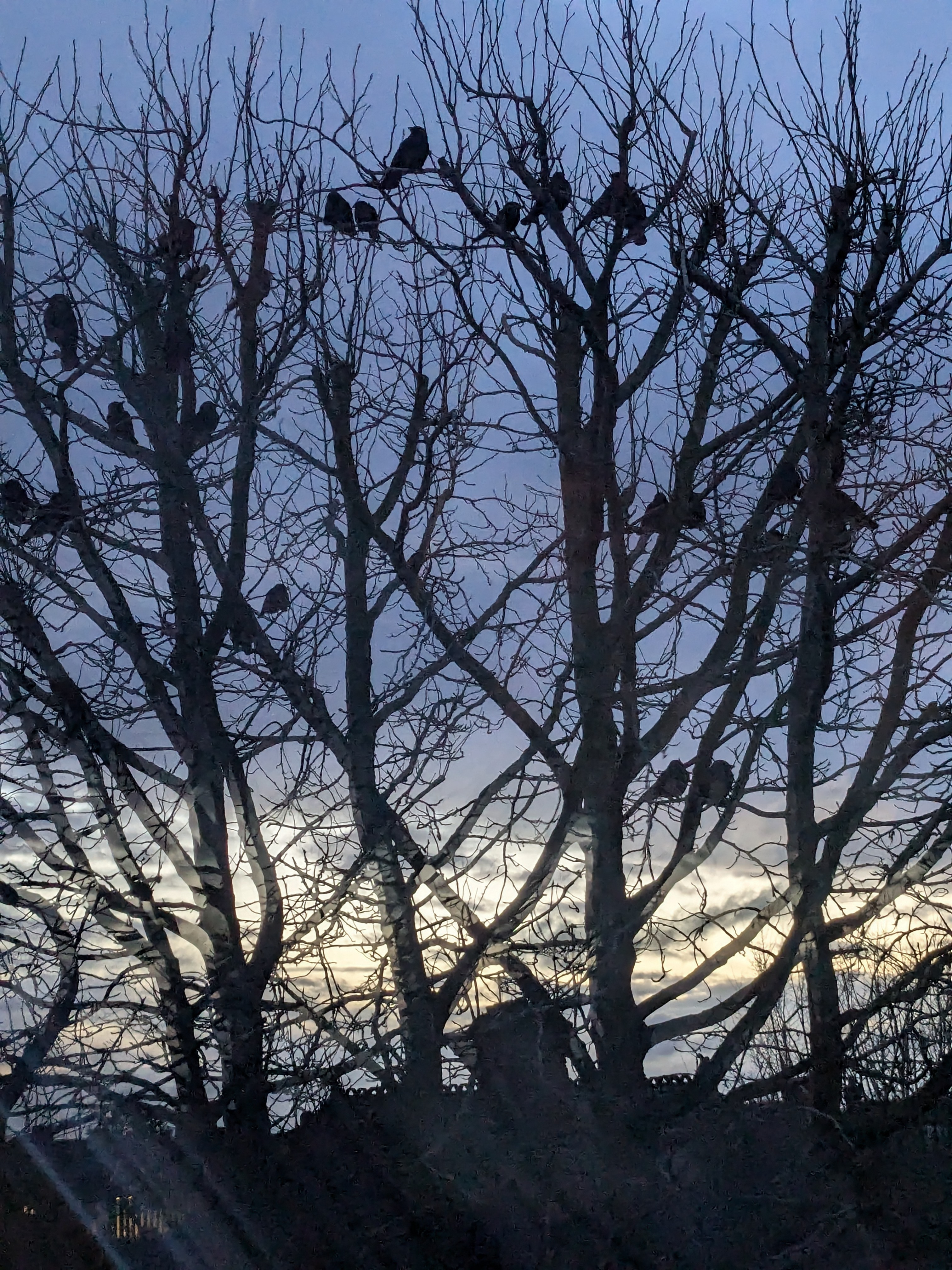
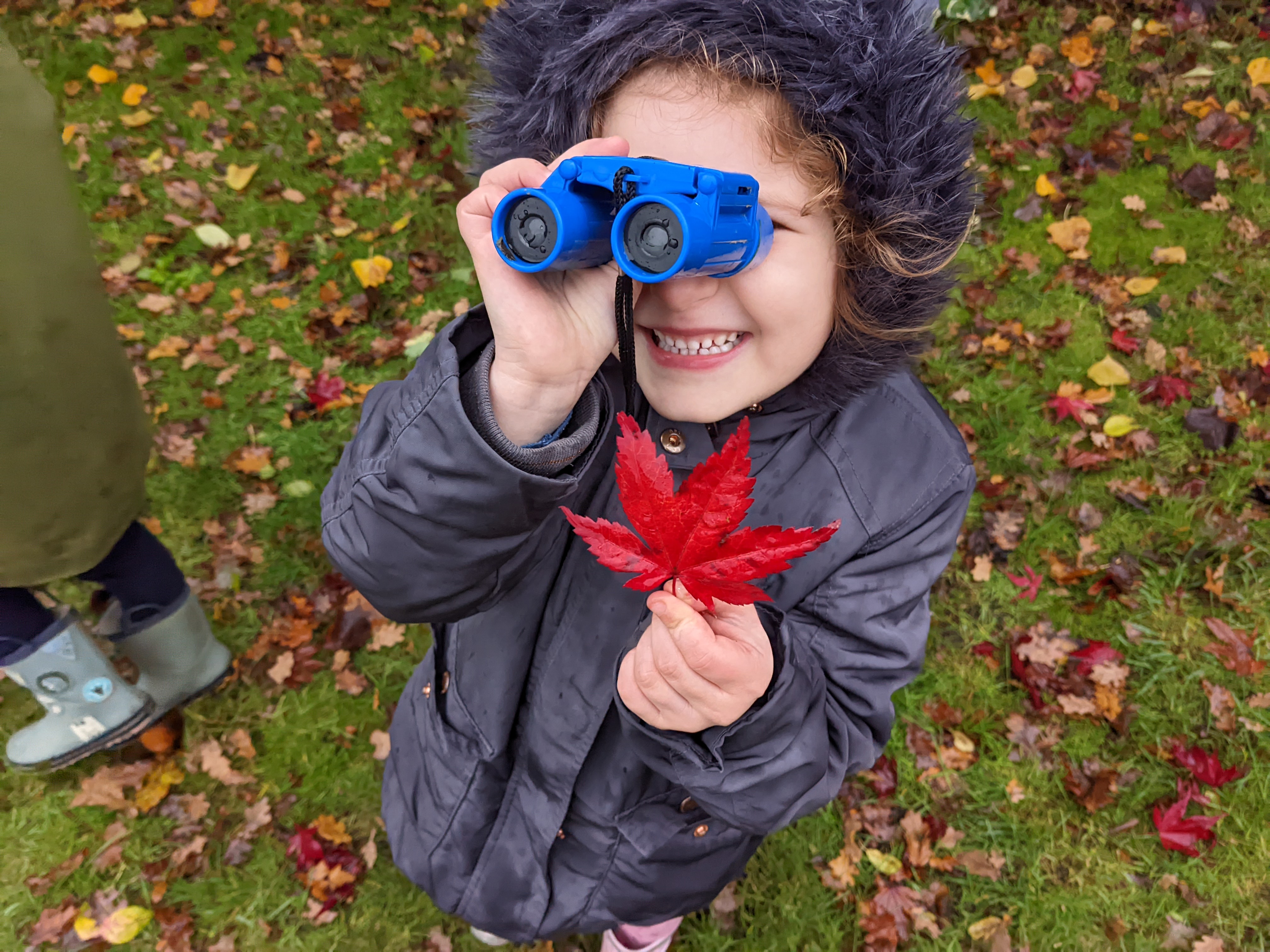
With a trustee pair of binoculars, we can revel at the finer detail of what we discover and enjoy the experience all the more. The Big Garden Bird Watch is coming up. January 24th – 26th. The perfect opportunity to learn more about birds, and biological recording, contributing towards some citizen science.  Who knows what we’ll discover, perhaps even a migratory bird, leading us to a bit more inspiration…

Escaping the winter months to warmer climes is definitely an option, a lot of avian wildlife do that. But if we don’t have that ability, then opening our hearts and minds to the birds that visit us during the winter months may be good antidote to the winter blues and help to lift our spirits 🙂

Ever considered the perils that birds face on their long migratory journeys of thousands of miles? It’s good to read about it and give some thought. Natural forces like storms and other extreme weathers, predators, man made structures, such as buildings, skyscrapers, power lines, wind turbines, aircraft, which cause collisions. The lack of resting spots, due to habitat loss. The list is endless! For more information check out the RSPB website https://www.rspb.org.uk/birds-and-wildlife/bird-migration

It’s truly amazing the obstacles they overcome. And with that in mind, lets draw inspiration from their resilience, and learn to take a few more risks ourselves outdoors! 🙂

Either way. One thing is for certain. Our planet will keep spinning around our star, and soon enough, before you know it, it will be Spring! 

But let’s not wish away winter quite so quickly. Let’s press diapause and reflect on 2024, with a few top tips for deepening our connection with nature:

  1. Equip yourself with some outdoor clothing and kit. Binoculars. Magnifying glass. Monocular lens. To help you appreciate the finer detail, and sharpen your observation skills. 
  2. Practice some citizen science. Big Garden Bird Watch. 24th – 26th January with RSPB. The UK pollinators Monitoring scheme (POMS). The Big Butterfly count. And many more. Take your pick based on your personal interests. Download the relevant apps.
  3. Practice mindfulness in your local green space. Quieten the mind, and enjoy the sensory experience. Get to know plants/tree’s/birds/insects/mammals. Connect with the local flora and fauna, learn about the different habitats. Where we live is part of a larger ecosystem.
  4. Keep a seasonal nature journal. Record notes, sketches, photo’s or other creative inspiration. Keep a record of your findings. Stay curious. Become an amateur naturalist.
  5. Join a wildlife walk, or wildlife group, and share your interest with others. This is a wonderful way to meet like minded people, learn, and inspire each other.

I hope that helps. Have a fab winter.

LMC xxx
Summer Mindfulness – Citizen Science & Biodiversity

Hi Compassionates,

Summer is here! Yes that’s right! It’s not an illusion. Or a mirage. It really is true.

Feels like the sun is really here to stay for a while. I mean, that is, it isn’t just making some illusionary appearance, before disappearing behind a big dark cloud again.. “NOW YOU SEE ME. NOW YOU DON’T.” Bellowed the big, round bellied sun, in a jovial voice:-)

It’s like we have all been truly granted a little breathing space, to enjoy a bit of mindful time outdoors. Thank you sun. 🙂

Tis the season for high energy, and growth. The season of flourishing, which could also be described as The SPACE RACE. A sudden explosion of flora, all making haste for the stars! The real space race perhaps! 🙂

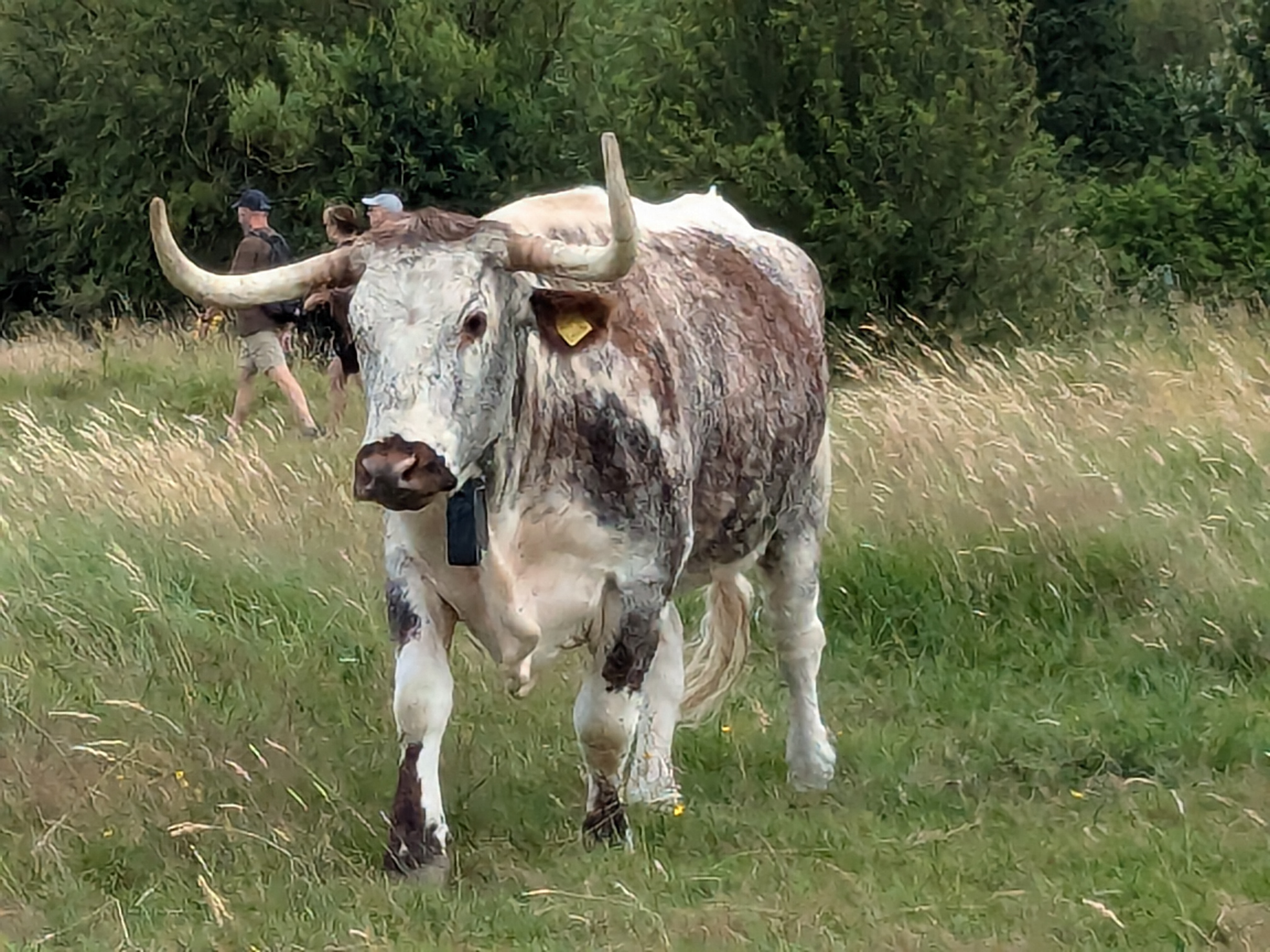
I’ve been enjoying some mindful time outdoors in my local green space, Chingford Plain. A landscape blessed with countryside vibes, being on the London, Essex border. An expansive grassy, meadow habitat, with long horn cows grazing languidly.

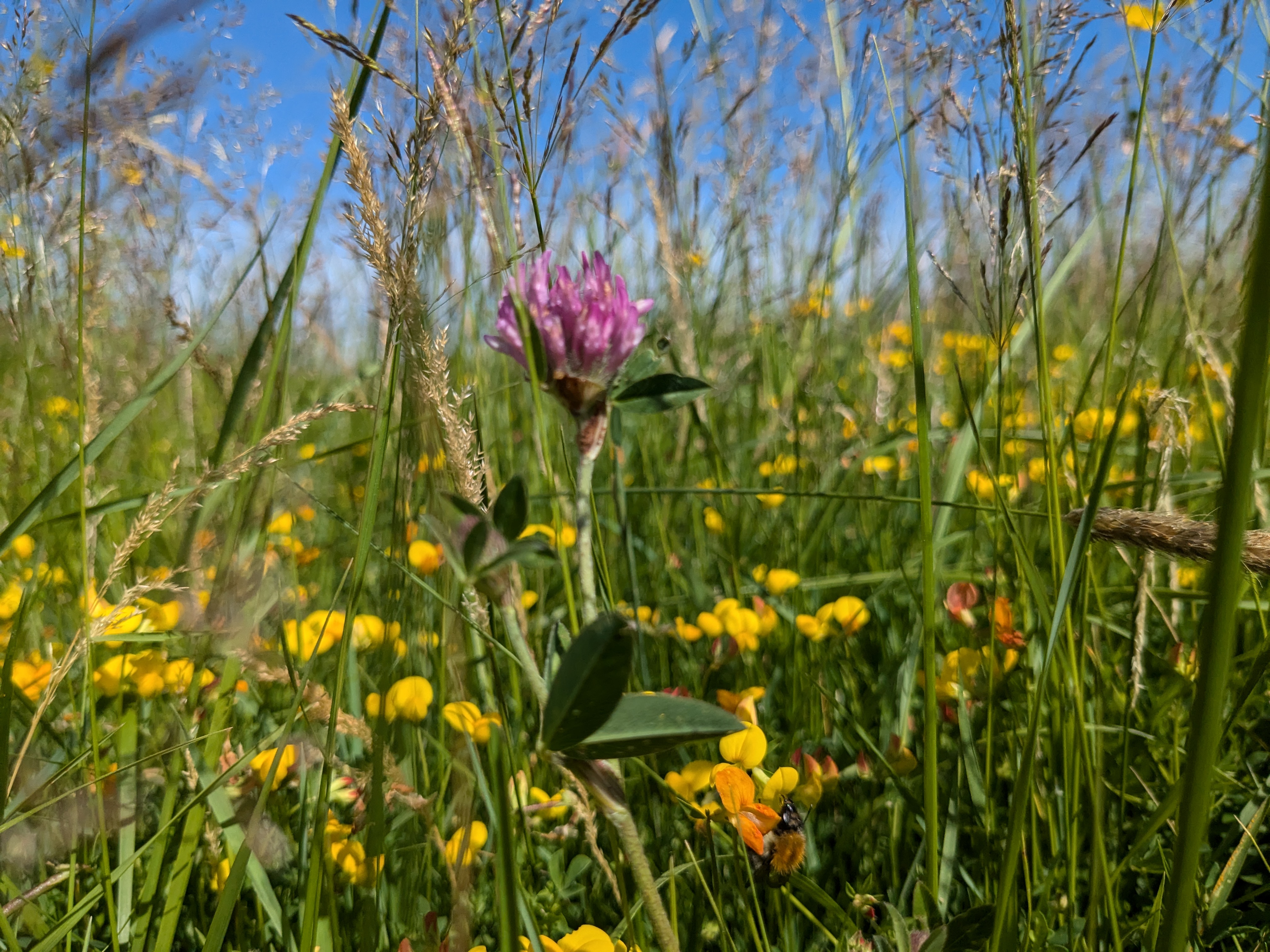
Mindfulness is great to practice in meadows. Not only for relaxation and peace. But also to ponder on the meaning of biodiversity. The wildflower habitat is a haven for insects. So many different wildflowers and insects to pause and admire.

To put it into perspective. There are around 24,00 different species of Insect in the UK. Compared to a mere 50 native mammals. With birds doing marginally better, at 641 species. That’s food for thought. Perhaps we should be making the conservation of mammals more of a priority. But let’s face it. Everything is in decline. Due to the Anthropocene. The age of human activity.

By the way, talking on mammals, have you heard of project splatter? I recently discovered this. A really important citizen science project helping to prevent the mortality of UK wildlife that perish on roads, due to collisions with vehicles.

I’m sure you have witnessed it. A lifeless body by the side of the road. A sometimes macabre scene. One can only hope that the animal is put out of its misery as quickly as possible.

Reporting deaths to the Road Lab is a great way to actively help and practice citizen science. I mean I don’t think we, collectively, can afford to give up driving, that really isn’t practical for most people. But we could actively work together to prevent deaths on our roads.

If we witness a life taken. It can remind us to slow down a little, And hopefully, if we are moved enough, come up with inventive ways to help prevent collisions. Take foxes for example, half of their deaths are caused by vehicles. I’ve included this information on my digital download for the up and coming PC family pop sessions in Waltham Forest parks. Thank you to Waltham Forest council for helping to make that more possible.

And foxes aren’t the only wildlife that regularly perish. Barn Owls, Kestrels, Badgers, Hegehogs, Deer, Bats. There are many mammals and birds that meet a sorry end. Without us even being awares at times. Head over the Road lab website to take a look https://www.theroadlab.co.uk/get-involved.

We all need to work together to ensure wildlife conservation, and citizen science is a great way to do that. A great use of technology. And death is actually really important for us to reflect on. We are all headed for it. Death that is. So let’s make the most of our time here, and remember that we are sharing this planet with a myriad of different life forms, that all worthy of our respect, love, and compassion.

Have a great summer.

LMC xxx
Happy Astronomical Spring

Hi Compassionates,

Happy Astronomical spring! According to the position of the earth, in relation to the sun, and the jumping of clocks in March, it appears a blog post is overdue. And more importantly we now have more light in our day to spend more time outdoors, hooray!

That’s if we can overcome the mental barrier of relentless rain, and fluctuating British temperatures. Grrrrr!! 🙂  Perhaps it’s sensible to hold out for just a few degrees more in temperature, to avoid the uncomfortable feeling of being wet and cold. But let’s face it, if we did that, we’d be waiting forever, which means we miss out on so much! 🙂 

I’ve been gently encouraging myself by putting on an extra layer, and some waterproofs. Shopping for outdoor clothing can be quite good fun, and can give us the extra encouragement we need to build resilience whatever the weather, so we can keep witnessing the amazing transformations taking place in the natural world. 

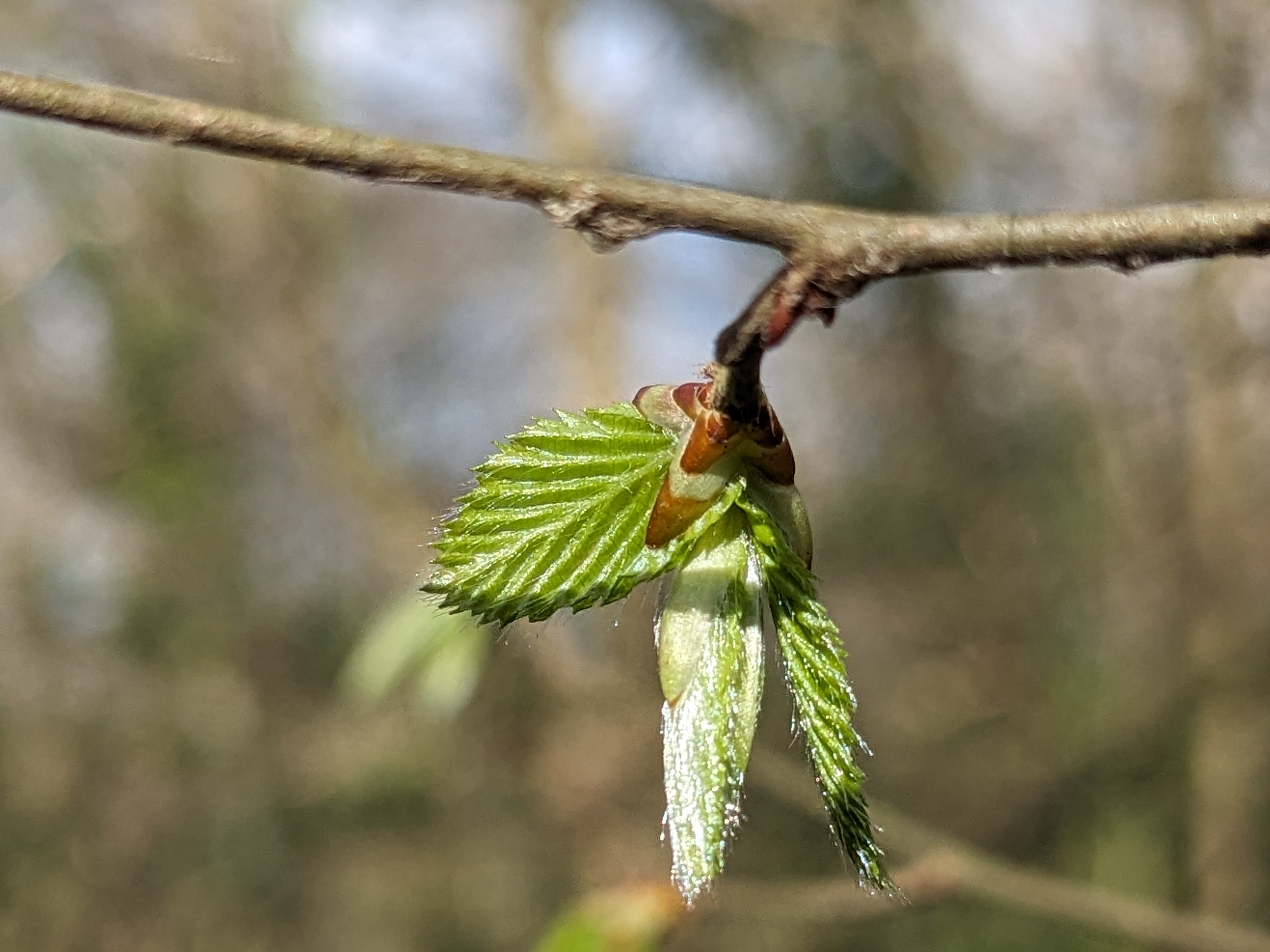
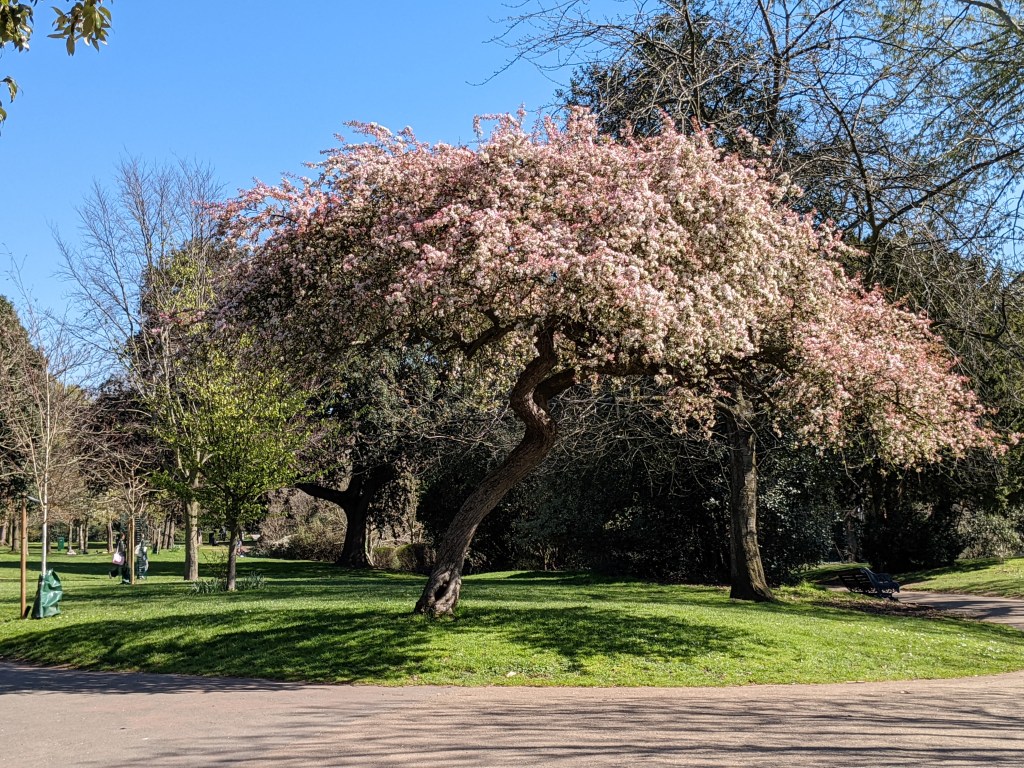
Epping Forest is a good place to witness those transformations. One of my first sightings of Spring this year was a single ornate branch of white blossom, suspended against a deep blue sky. Its purity, and growth a deep contrast to the death and decay of the forest surrounding it.  Then came the gentle unfurling of green leaves from burgundy pointed buds, giving rise to soft emerald, crinkled leaves that looked good enough to eat, tossed in a salad 🙂 

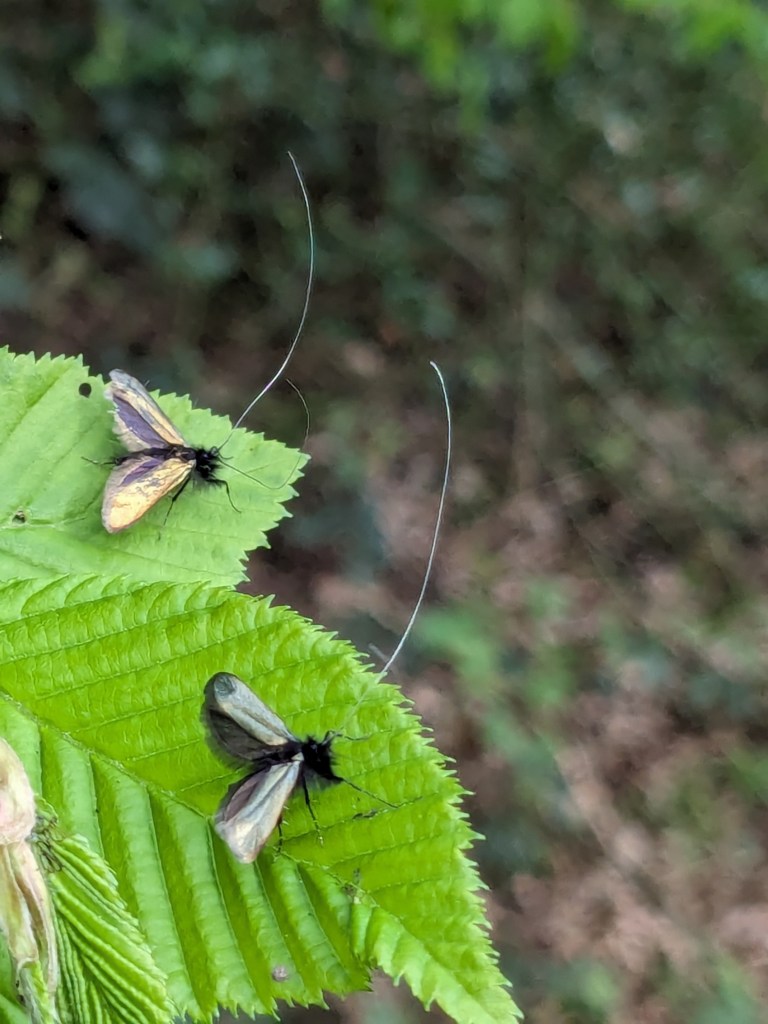
And fairy green longhorn moths, resting on those crinkled leaves, in great numbers so I discovered. Easily missed, due to their micro size.  It was only because I paused to examine the crinkled pattern of the leaves, with an inquisitive look on my face, to ponder their design, that I spotted them. Shining, iridescent colours, golden and green.

So delicate and ethereal, the fairy moth boasts a massive wing span of 14-18 mm. They have black, furry faces, lending an endearing quality, and thread-like antennae arching from fluffy faces. If someone were to write a fairy tale about Epping Forest then these moths should definitely be in it 🙂 

And as well as delightful sights, there have also been many delightful sounds. On very windy days, the haunting creaking of ancient tree’s, bending under their own weight, accompanied by the echo of the woodpeckers drumming. Like shamanic drums capable of altering states of awareness 🙂

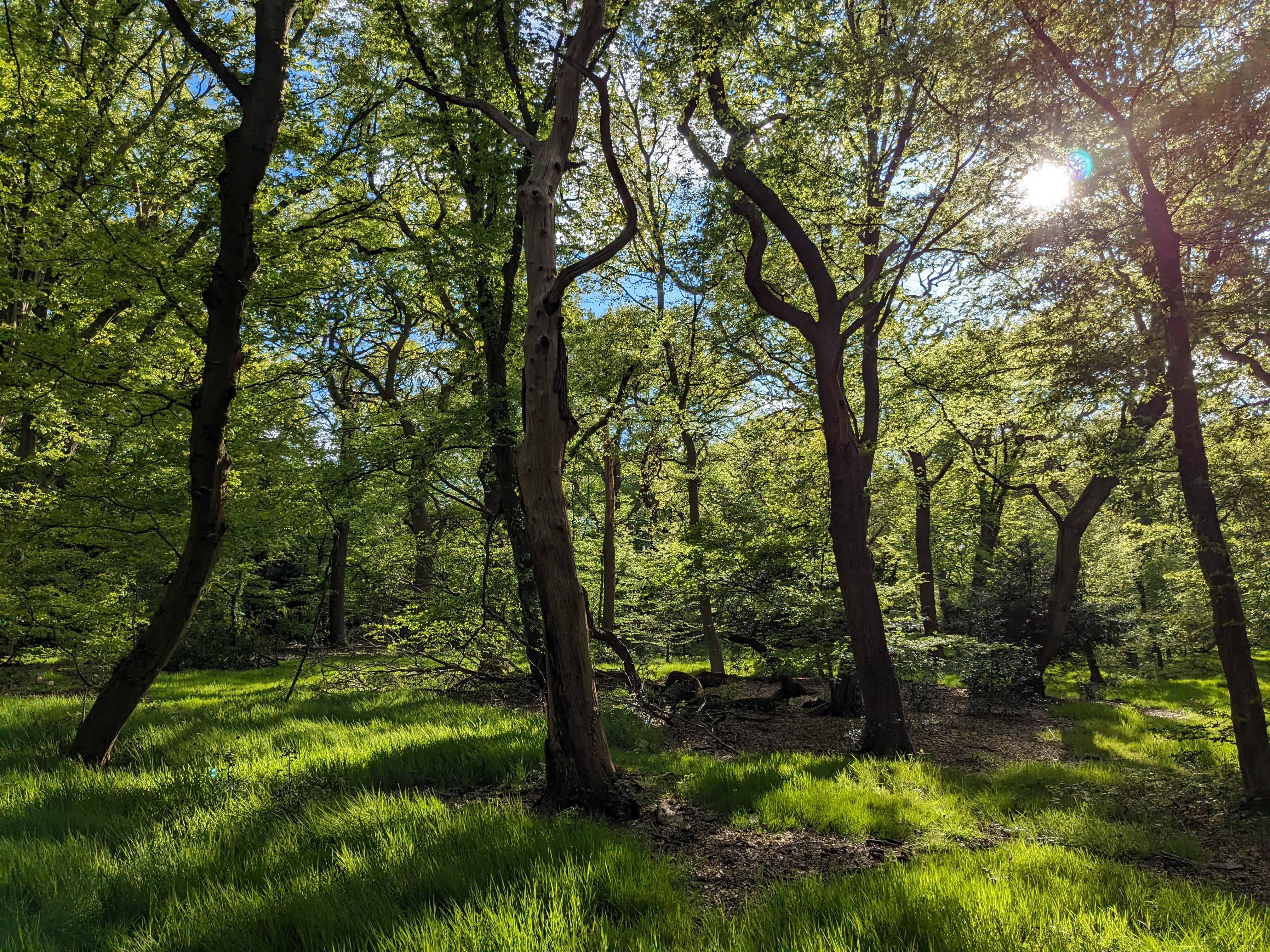
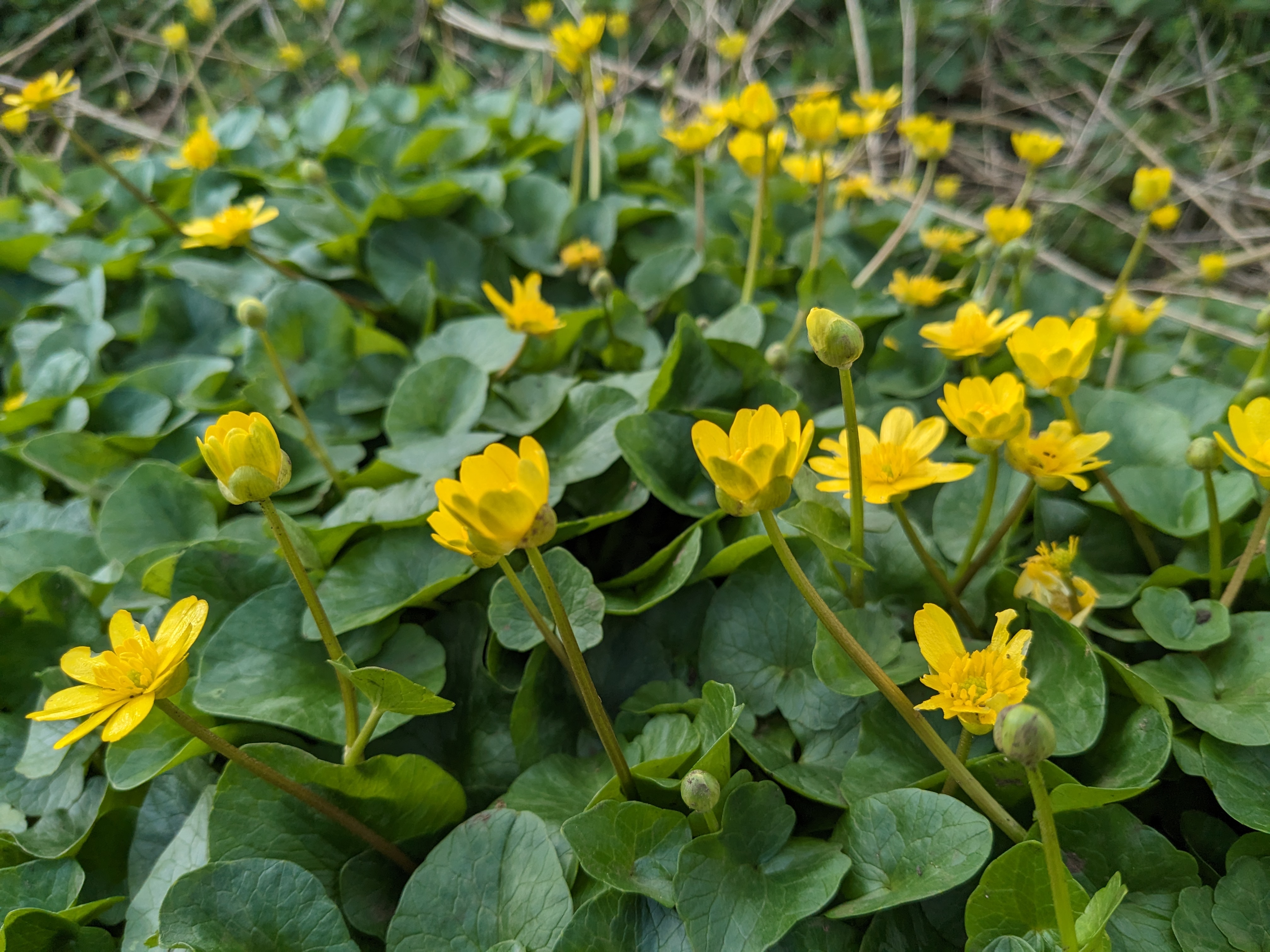
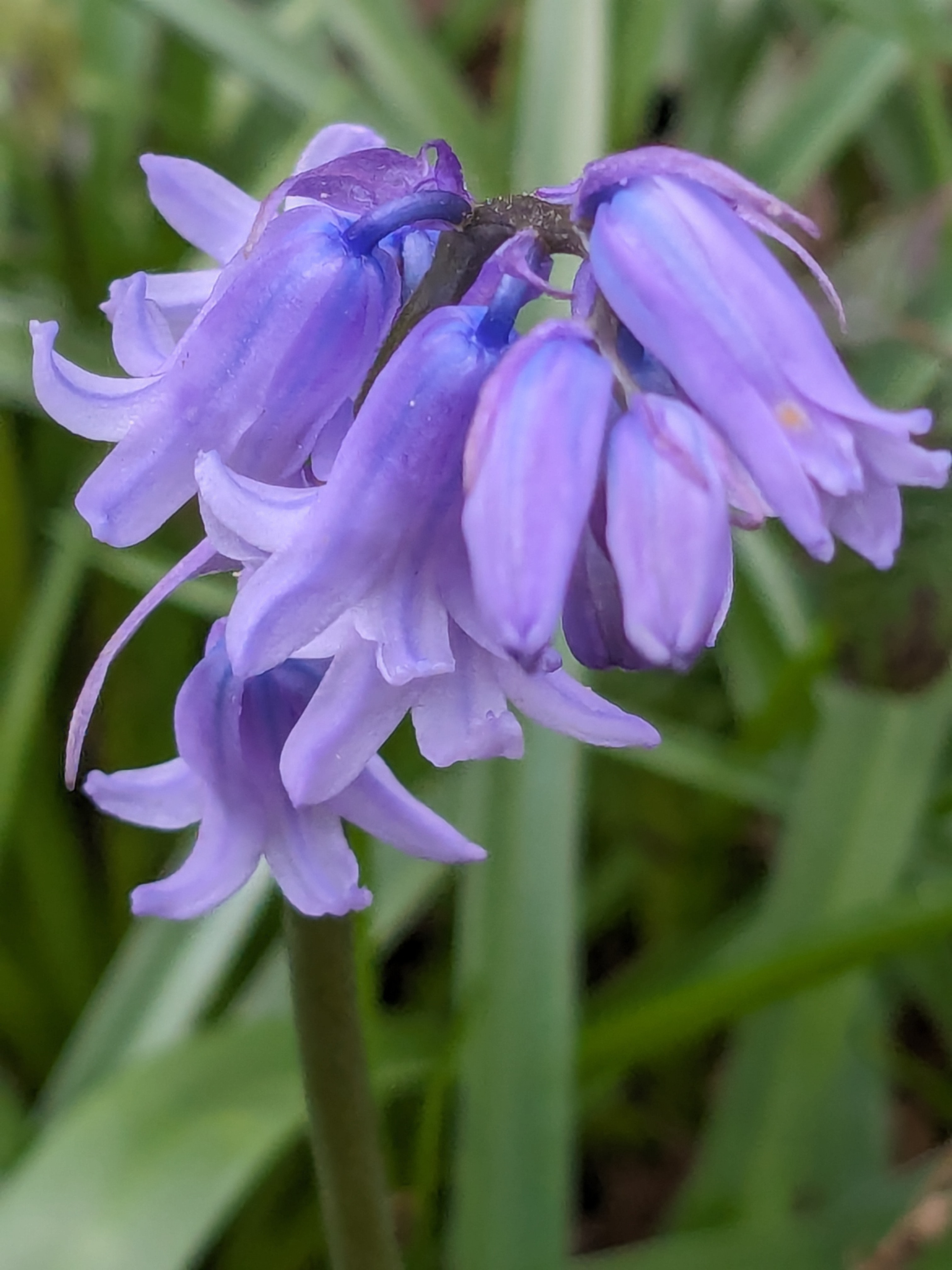
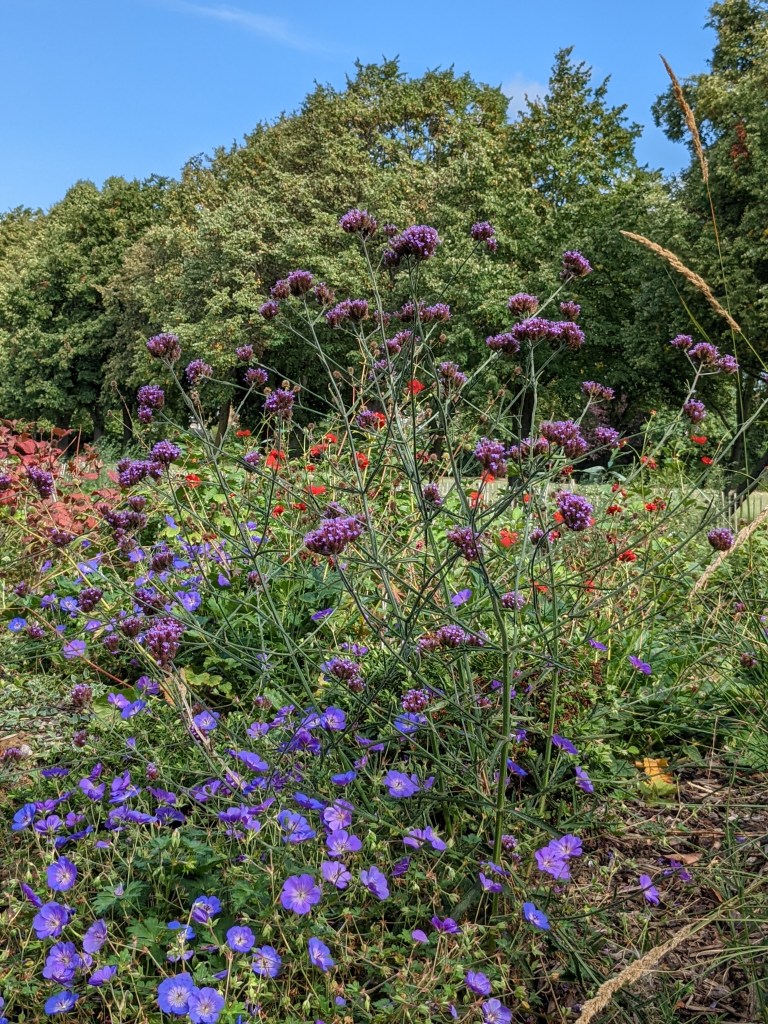
And now we are well into April, the forest has transformed again into an artist’s palette, with many remarkable shades of green, from ground, to the forest canopy. With smatterings of pinks, blues, purples, yellows and whites. Wild flowers dotted along grassy verges. It’s a feast for the senses!

Whether it’s in the forest, your local green space, or garden, I really hope you get mindful time outdoors through the season.

Little Miss Compassion x

Autumn musings

Hi Compassionates,

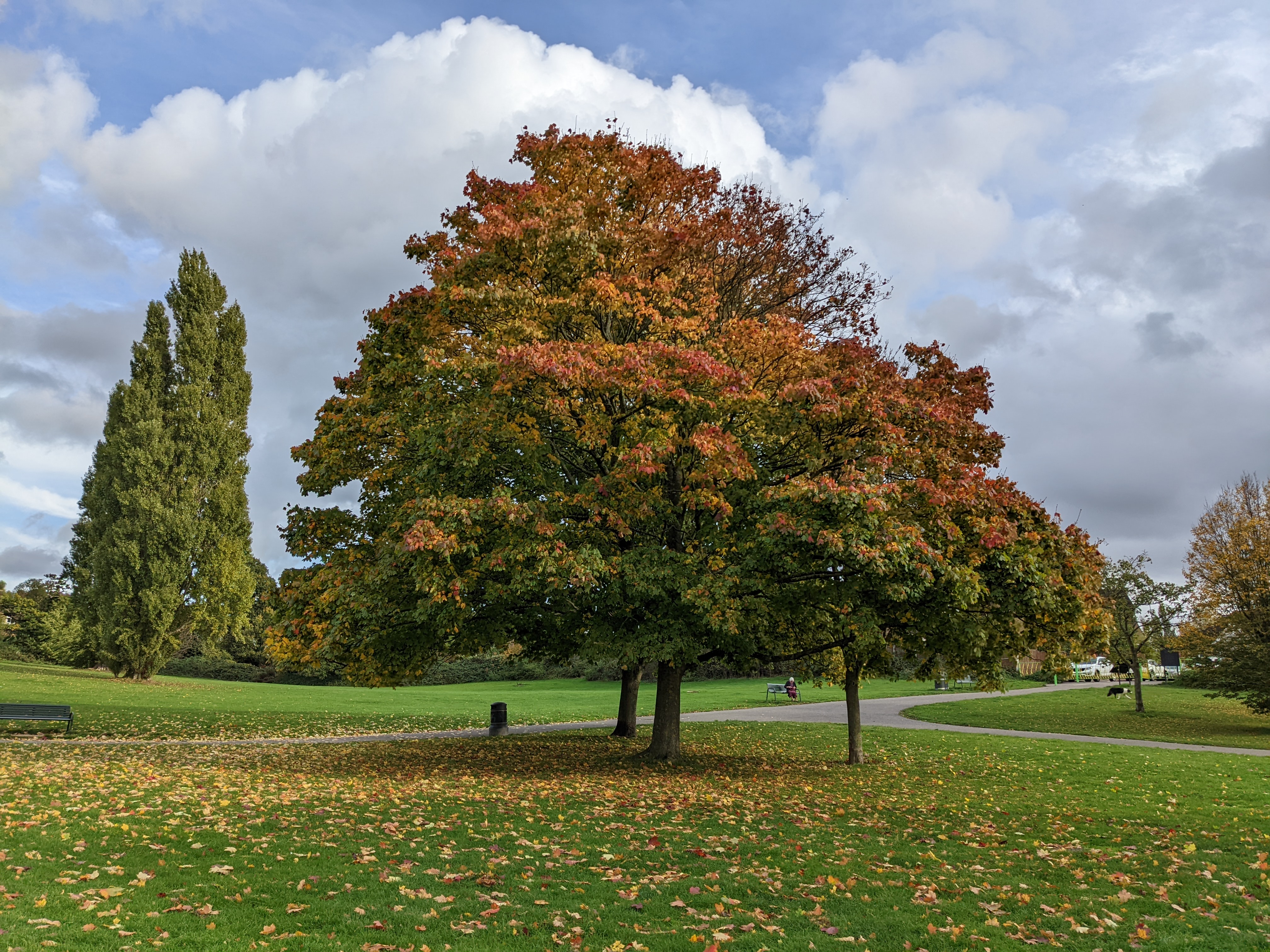
Have you been enjoying the autumn colours?  The temperatures have definitely dropped, haven’t they?  I’ve been relishing donning winter woollies, and trying to make the most of sunny days, far and few between, admiring the leaf confetti decorating the dull pavements, searching for mushrooms on forest walks, and admiring the ostentatious show of tree’s against a blue sky. That all equates to plenty of mindfulness 🙂

Have you been practicing some mindfulness too?  Or have you been sheltering from the rain indoors?  Me too!  It’s been a pretty rainy season so far, hasn’t it?  But even if we are indoors, we can still connect with nature and practice mindfulness. There’s nothing better than the sound of rain, if sheltering indoors, for example. The heightened rise and muted fall of the pitta patter, on the rooftop and windows, creating a relaxing ambience. Or perhaps you have been enjoying watching the changing colours from your window, or watching nature shows on TV. Even watching nature on our screens can have a proven positive impact. Which reminds me, I need to catch up on Autumn watch! 🙂

It certainly was a lively summer!! And now Autumn’s here, with its slower rhythms, I’m appreciating a little rest and an opportunity to practice some reflection.

There defintely was a lot going on over Summer, a lot to be grateful for. From helping with the Hive open day, in Epping Forest, crafting bees and butterflies on their meadow, to practising citizen science at Highams park, with the Big Butterfly count. And building a miniature green roof for pollinating insects at the Chingford mount festival, with nature and mindfulness activities at 228 and Memorial park. There definitely was a pollination theme.

That’s because according to the charity Plant Life, nearly 97 percent of the UK’s wild meadows have been lost, due to land changes, such as agriculture, and urban development, which means a loss of habitat for our pollinating friends, and a knock effect for the health of our eco systems, making it really important that we all do our bit, at home and in our communities.

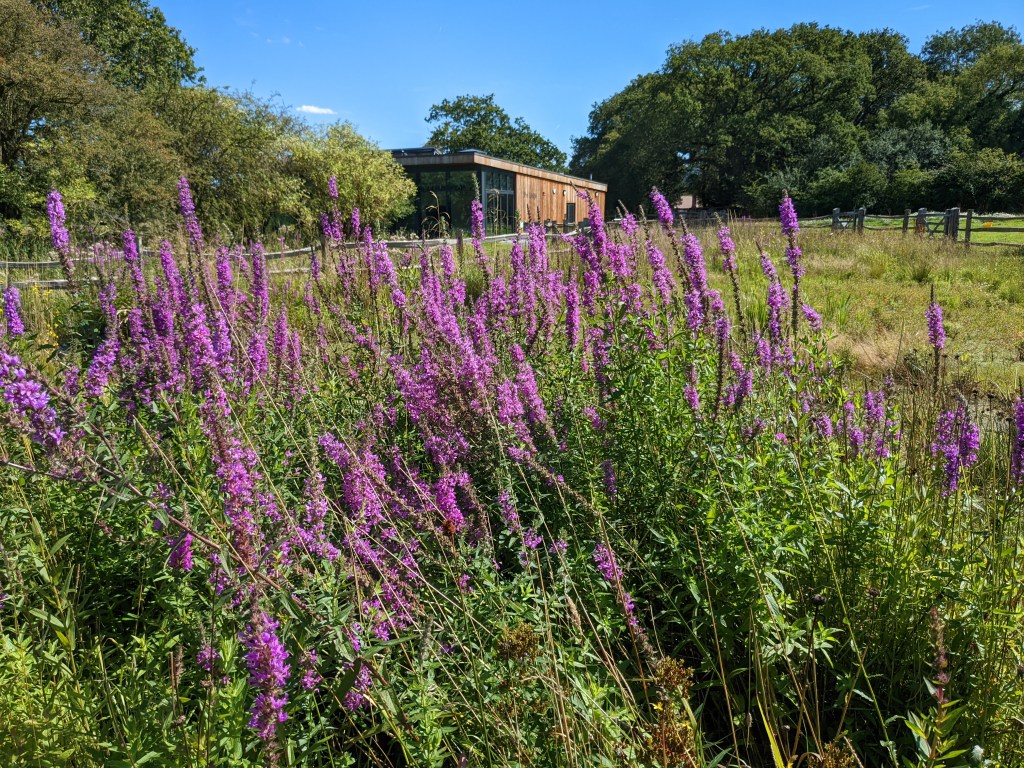
Memorial park in South Chingford definitely has a great habitat for insects if you haven’t visited yet? There are significant wetlands, bordered with colourful plant life to admire. A mecca for bees, butterflies, and dragonflies. I even found a dragonfly nymph whilst weeding the pond in Memorial park a few weeks back with the Love South Chingford community group, which was very exciting. It’s the first time I’d seen one, and a great privilege, as Dragon flies spend most of the life cycle underwater.  Really looking forward to spending more time in Memorial park in the future, exploring the flora and fauna and facilitating nature connection

Anyway enough about the future, my monkey mind is getting the better of me 🙂 Let’s not focus our minds on the past or future but just enjoy the present moment, Autumn is a good reminder for that. A good reminder to slow down and just be happy being. Just as trees submit by letting go of their leaves, we too can submit to nature’s rhythms, and practice being comfortable with impermanence. That’s easier said than done, as we all love to cling, me included. But perhaps if we make mindfulness a habit, we can loosen our grip, and enjoy natures show all the more.

Have a great Autumn xx

15 minutes of Mindfulness

Hi Compassionates,

I hope you are enjoying summer so far, and have had plenty of opportunity to get outdoors and connect with nature. If not, then never fear, there is still plenty of time until the start of Astronomical Autumn – a whole 54 days. And if you need an actual reason, apart from the fact that its great for health and well-being, and your humanity, then why not become an amateur scientist for 15 minutes, and help to take part in the Big Butterfly Count?

Butterflies are amazing aren’t they? The transformation that they undergo. The kaleidoscope of patterns and colours. The incredible migration that some can undertake, to faraway lands, despite the fragility and delicacy of their design. And they are crucial pollinators too, hence why the Big Butterfly count is so important, the largest Citizen Science project in the country, organised by the Butterly Conservation Trust. All you need to do is download their free app, and one of their butterfly charts displaying the most likely butterflies and moths you will see, and head outdoors and get counting between 14th July – 6th August.

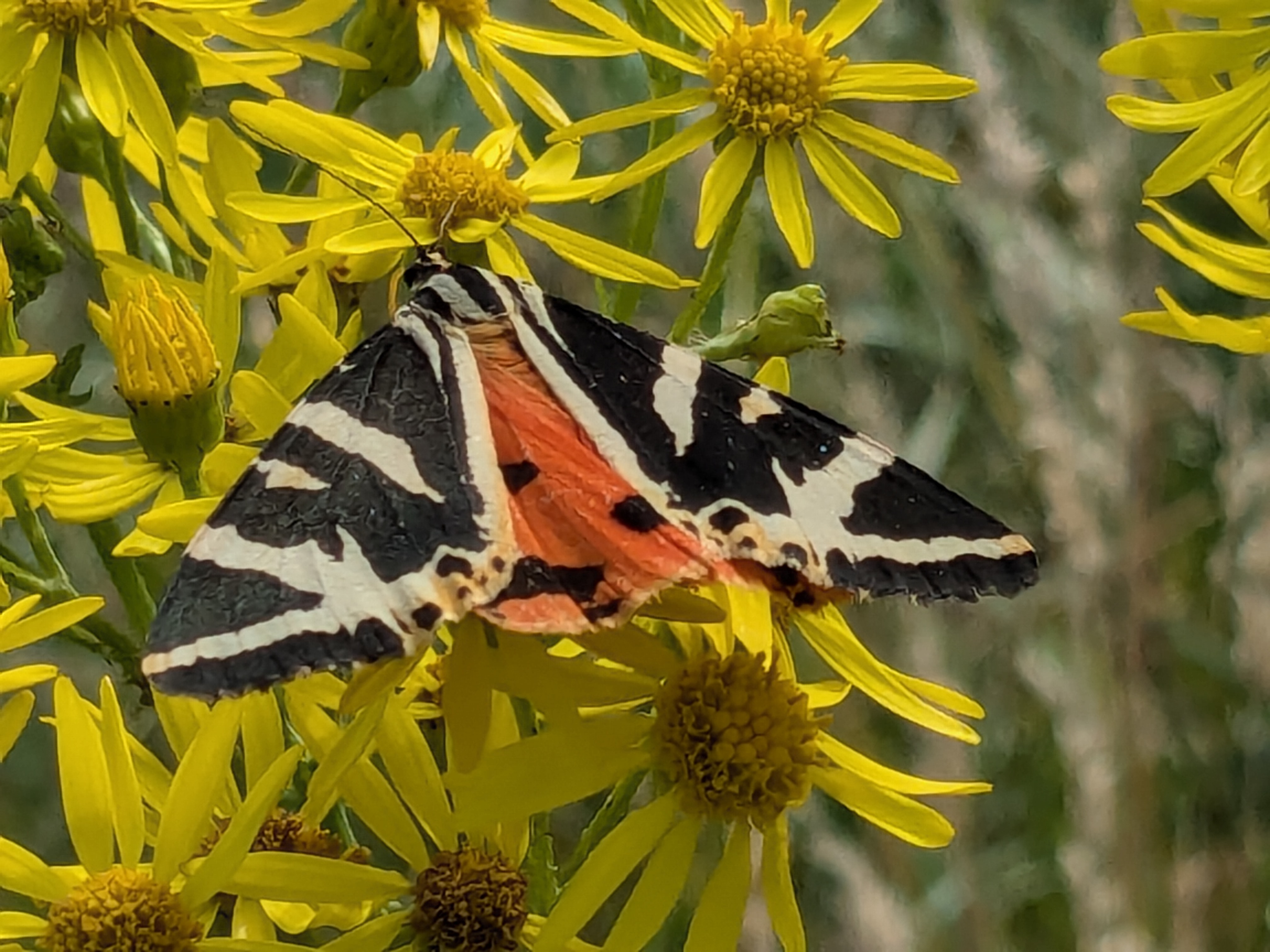
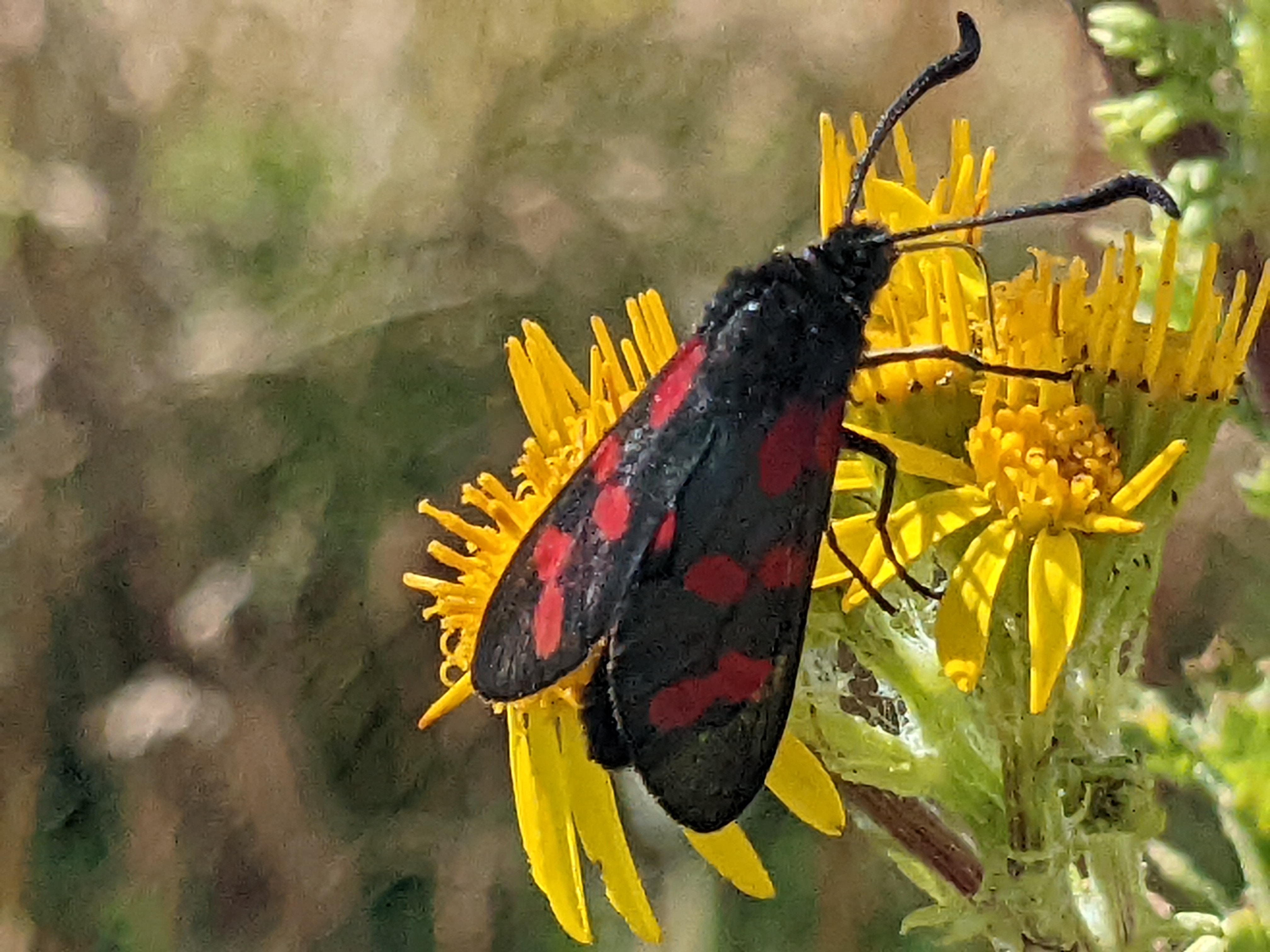
After 15 minutes of counting, you can log your data on their app or website, hopefully feeling all the more confident with your identification skills. And don’t worry if you make a mistake. I identified a burnet moth, as a cinnabar moth the other day, completely unaware that the burnet moth existed. I didn’t upload the data luckily, and I was thrilled to have identified a different species, but it just goes to show that mistakes can happen and it’s helpful to download the ID chart via their website, as this chart has been designed to help minimise counting errors.

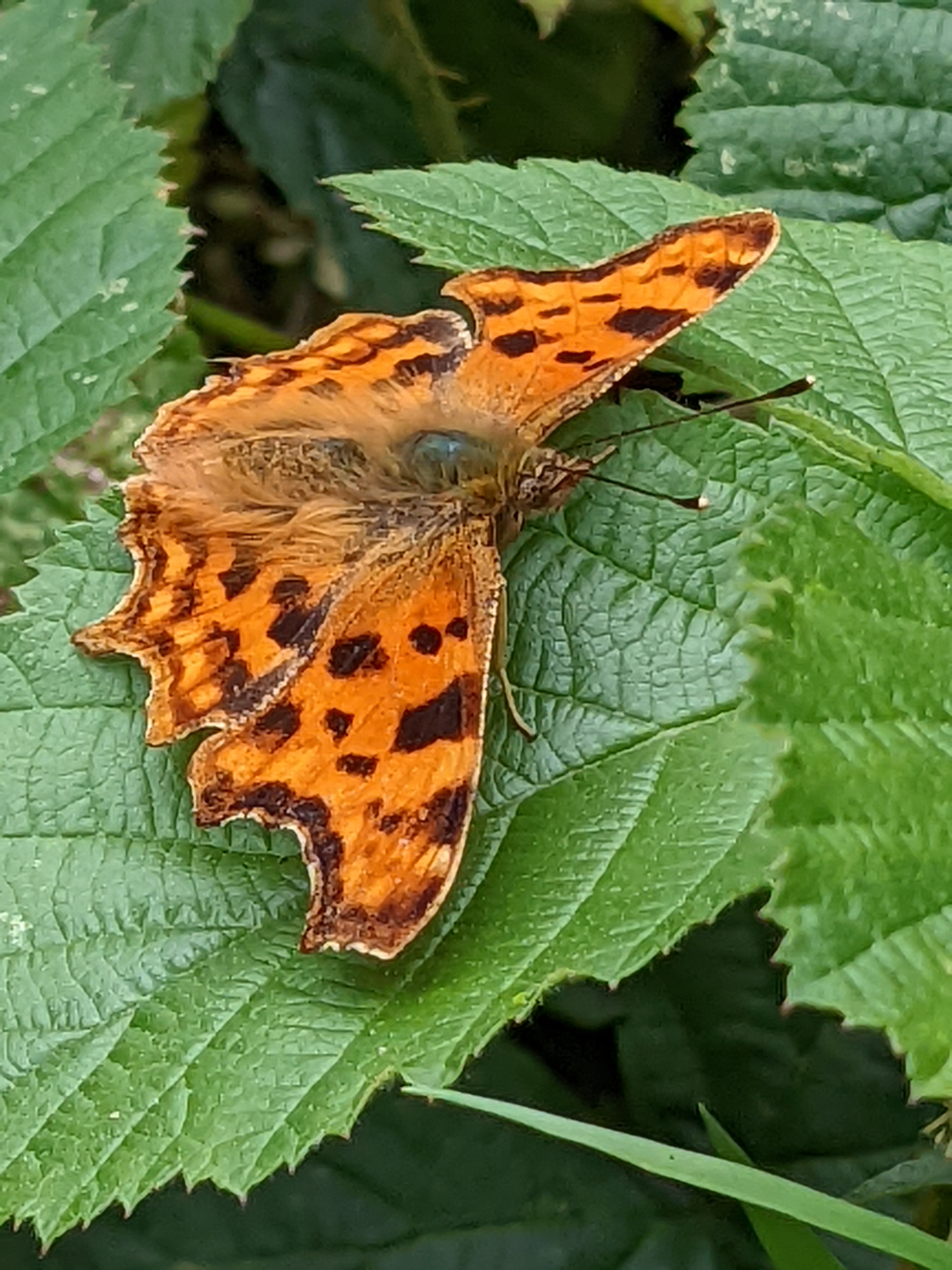
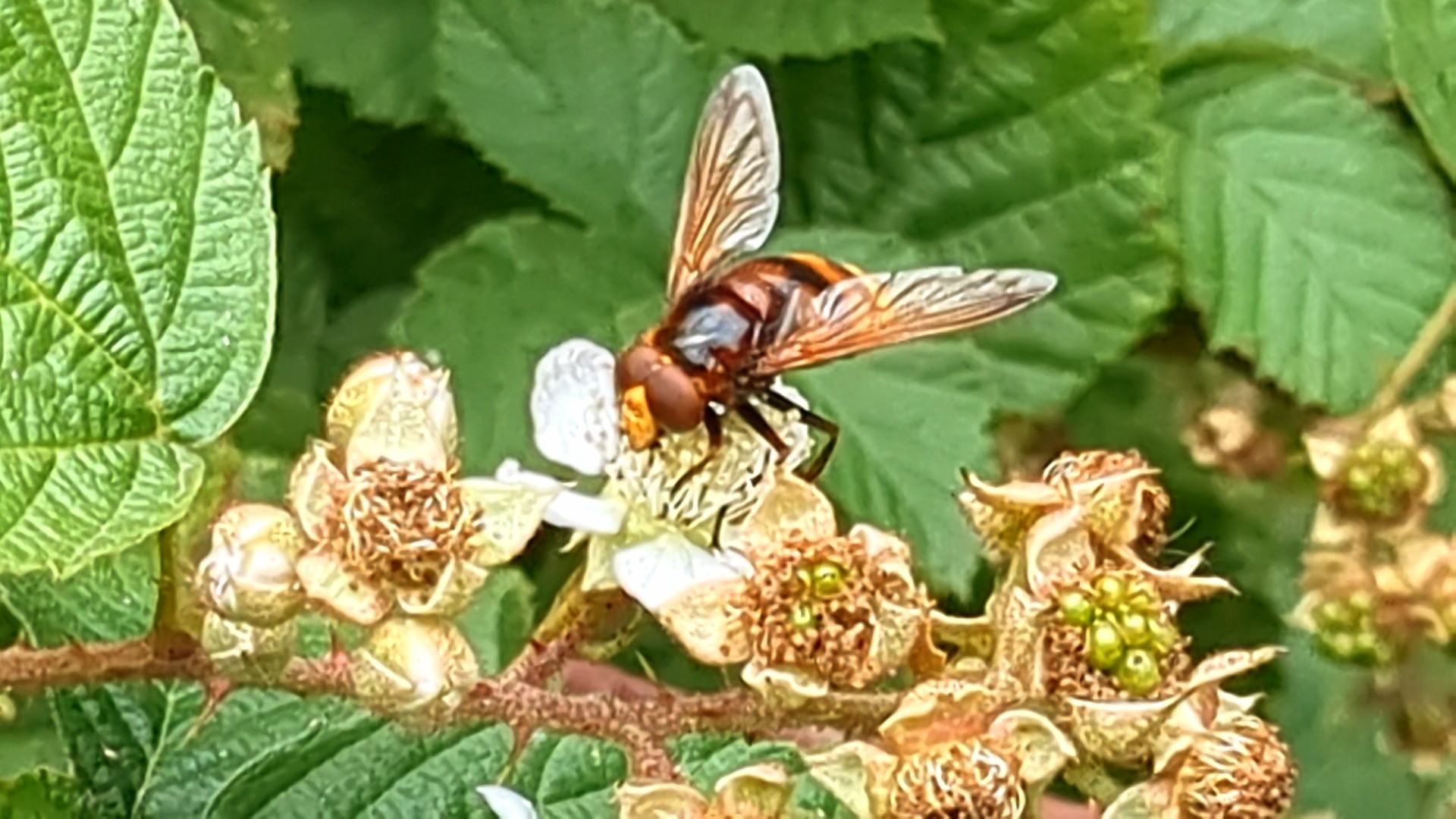
And the Burnet moth isn’t the only different species I have learnt about this summer. Others include the Comma butterfly, the Ringlet, and skipper moth. All of which I have spotted in Epping Forest. Oh yes…and not forgetting the monstrous hover fly, which I mistook for a hornet, picture below. A fantastic imitator! And an important pollinator 🙂

All this excitement has definitely inspired the next PC family nature and mindfulness workshop, I’m super excited to get outdoors and help future generations connect with butterflies, and moths, and the other small things that help to run our planet. Without them we simply wouldn’t survive. And they need our help, as they are currently under threat due to habitat loss and climate change.

So why not head outdoors and give it a go. Summer is definitely the best season to learn about insects and the small things that run our planet. It’s a great mindfulness exercise. A simple way to focus the mind on the present moment and inspire greater oneness with nature. And a great use of technology in my opinion. The data collected nationwide will help the Butterfly conservation trust to keep track of upward and downward trends of butterflies across the country, so they can implement effective conservation strategies in the future.

Happy counting! Have a great summer.

Little Miss Compassion xx

.

Enjoy the present moment

Hi Compassionates!

I hope everyone is well. We’ve been enjoying a social media break over the winter, with more space to practise mindfulness.  Planet compassion is all about ‘inspiring oneness,’ a  deeper unity with self, people and planet. And an important way to experience oneness is to provide ourselves with some space and time to get outside and connect with nature.  

What is oneness?  I would describe it as a feeling of unity with all of life, a feeling of interconnectedness, where we can experience ourselves as part of a larger whole. Where we are part of a larger conversation, a biosphere of meaningful connections, helping to shape our health and well-being. 

Thankfully Spring has now arrived so there is more incentive to get outdoors and experience that. I was pleasantly surprised to see a bat from my window last week, having awoke from hibernation, flying over the tree’s at the rear of the garden, catching insects, reminding me that we are now in the season of Spring, and a PC blog post was overdue! 

Whether it is noticing nature from our windows, whilst in our gardens, when taking a walk, or riding our bikes. A growing awareness of our surroundings, can help us disconnect from the chatter of ours minds, and open us up to experiencing more connection. We can experience biophilia, positive affiliations with other life forms, reminding us that we are connected with a myriad of other life forms that share our planet.  And this can help us to grow our appreciation of life, a deeper sense of belonging, and greater inner-well-being.

Peace and contentment are our birth right, our natural state of being. That may elude us at times due to the demands of daily life, but it’s always there, and waiting for us. Barriers to present moment awareness might include lack of space and time, the need to multitask, busy routines dependent on technology, stress and repetitive thought patterns, all requiring us to be on automatic pilot. With all that going on, just because we step outside into the fresh air and see a magnificent tree, it doesn’t mean we are automatically going to engage with nature on a deeper level.

Why not start by spending time visiting a place you have never been before or haven’t been in some time? It’s much easier to grow our awareness in this way, as our surroundings are fresh and new, and our senses more keenly alert. I noticed that this week, when I extended my cycle in town. I had the deeper yearning to explore the unknown. And by doing so, I stepped outside of my comfort zone, and became much more mindful. I was seeing everything for the first time with fresh eyes, just like a mini holiday! 🙂 

And the point is that we don’t actually need to take a holiday to experience this. It can be something simple such as deciding to ditch the car on a local journey, walking and biking instead, exploring a new park, green space, or street in our communities.  Opportunities for expanding awareness are all around us, waiting patiently for us to sharpen our senses. So why not make a daily, or weekly commitment to inspiring oneness?

Enjoy the present moment. Have a great Spring! 

Little Miss Compassion xx

Thank you incredible Autumn :)

Hi Compassionates,

Goodness hasn’t it turned a little chilli?!  Isn’t it enough to make you want to curl up into a tight ball and stay warm under the duvet cover? Well that’s completely natural as there’s only four days to go until the start of winter, when our beautiful planet tilts even further away from the sun, and nights continue to lengthen, days shorten, and the natural world slows and slumbers as temperatures drop. Many of our small furry friends will be slipping into a state of stupor or hibernation right now to store energy for the coming months. Can you close your eyes and picture in your mind a cute hedgehog, bat, or dormouse, curled up and having happy, sweet dreams? Awwww that’s a lovely thought, so let’s hold on to that, and also cast our minds back to the season of Autumn and reminisce on good times.

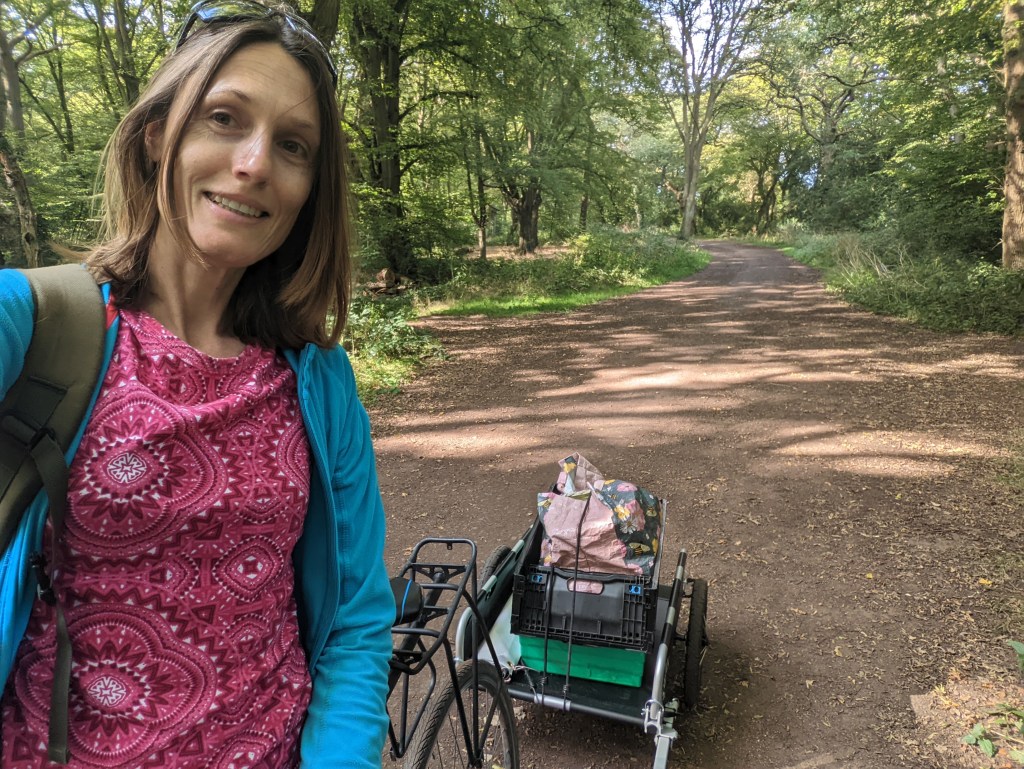
Some of my favourite mindful moments during the season of Autumn were definitely spent watching squirrels in both the garden and whilst exploring Epping Forest. As they scurried around burying their cache for winter months, the thought popped into my mind about their importance for the natural regeneration of forests, and this later inspired our nature and mindfulness sessions at Highams during the month of October. We pedalled to the park with the cargo trailer, pitched a tent under a splendid oak tree, and worked with the local community in true planet compassion style. We helped children to imagine, explore and create as a way of inspiring oneness. As children searched for acorns, they witnessed the splendid array of changing colours, burnt orange, and crimson tree’s bathed in what appeared to be everlasting sunshine. Perhaps some of those acorns have now been buried by our furry friends, so let’s keep our eyes peeled for seedlings in Spring!

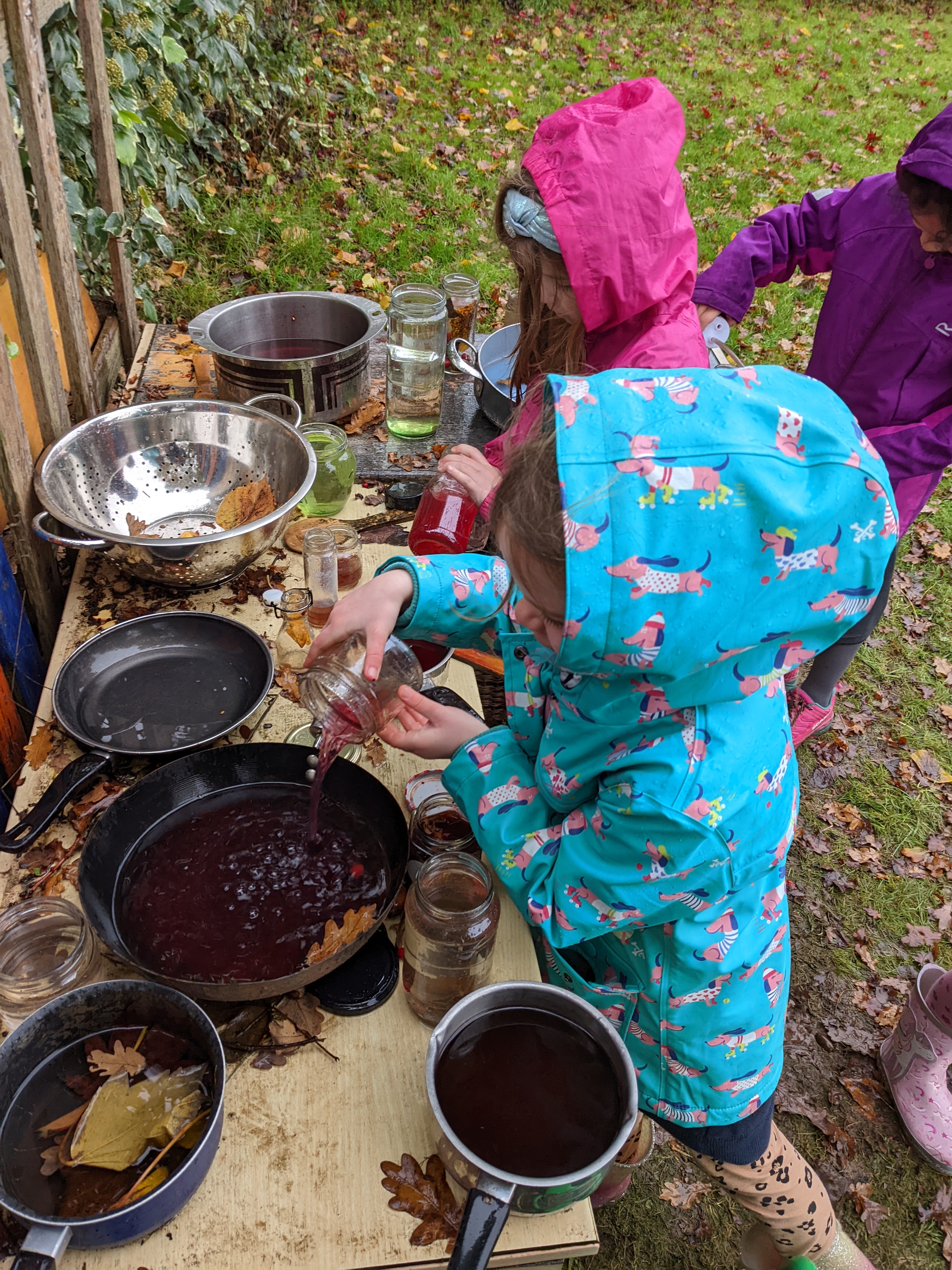
As the weather did eventually change, Autumn showers kicked in, making the perfect recipe for creating happy, wet and soggy memories with children at Alderton Infants school. Forest school fun happens in all weathers, so the children discovered 🙂 As the heavens opened, they explored their soggy surroundings, collecting loose parts on a scavenger hunt, for making Autumn potions, and arts and crafts. Bug hunting was also big hit as usual, as small creatures were awoken from their stupor with fumbling fingers, and popped into pots to be studied with a curious eye.   The wet and cold weather definitely reminded us ALL of the important saying, ‘There’s no such thing as bad weather, just bad clothing.’ So let’s remember to stay warm in coming months, by layering up, and wearing waterproofs. Let’s build our resilience and keep smiling in all weathers!! 🙂

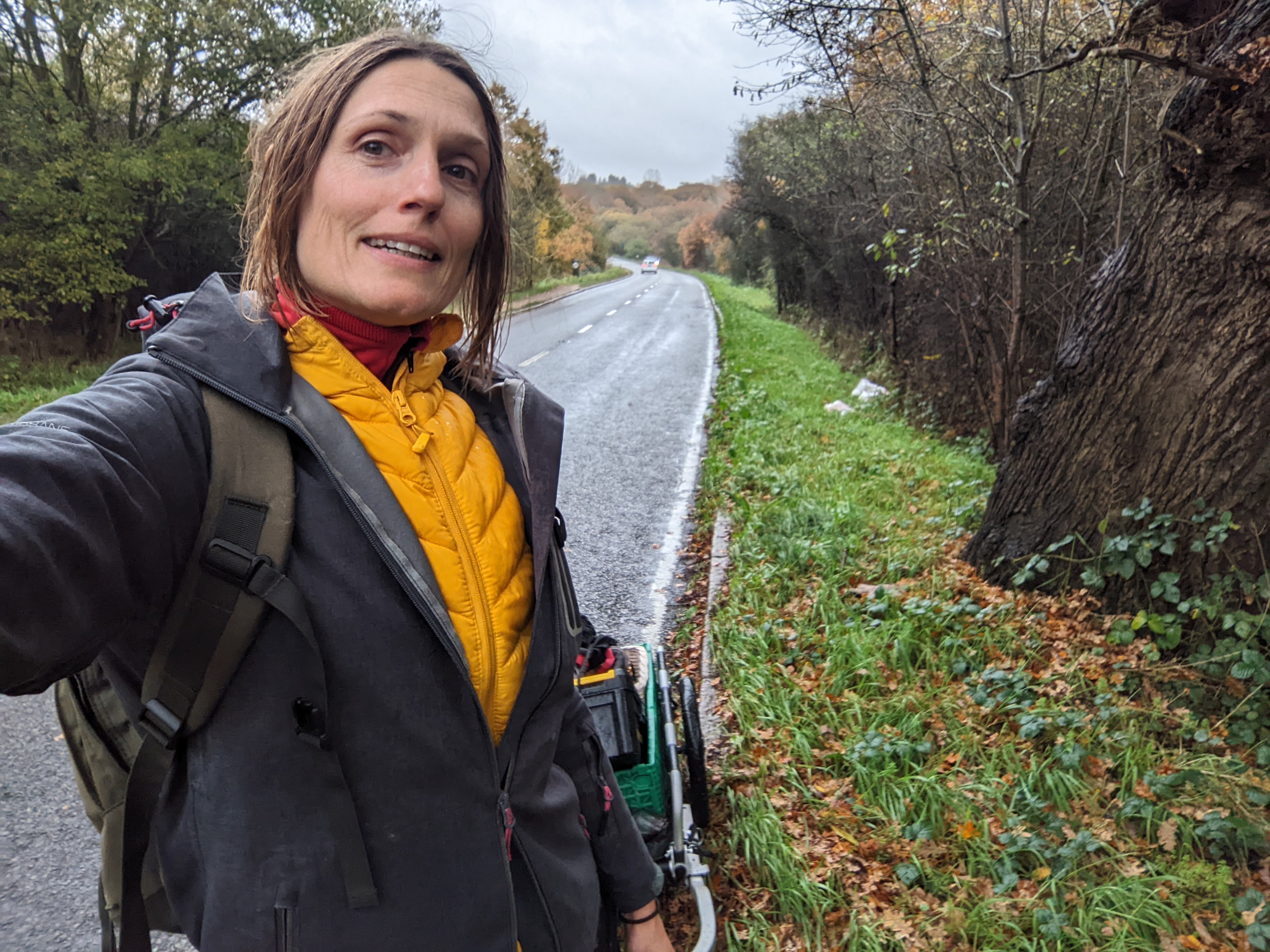
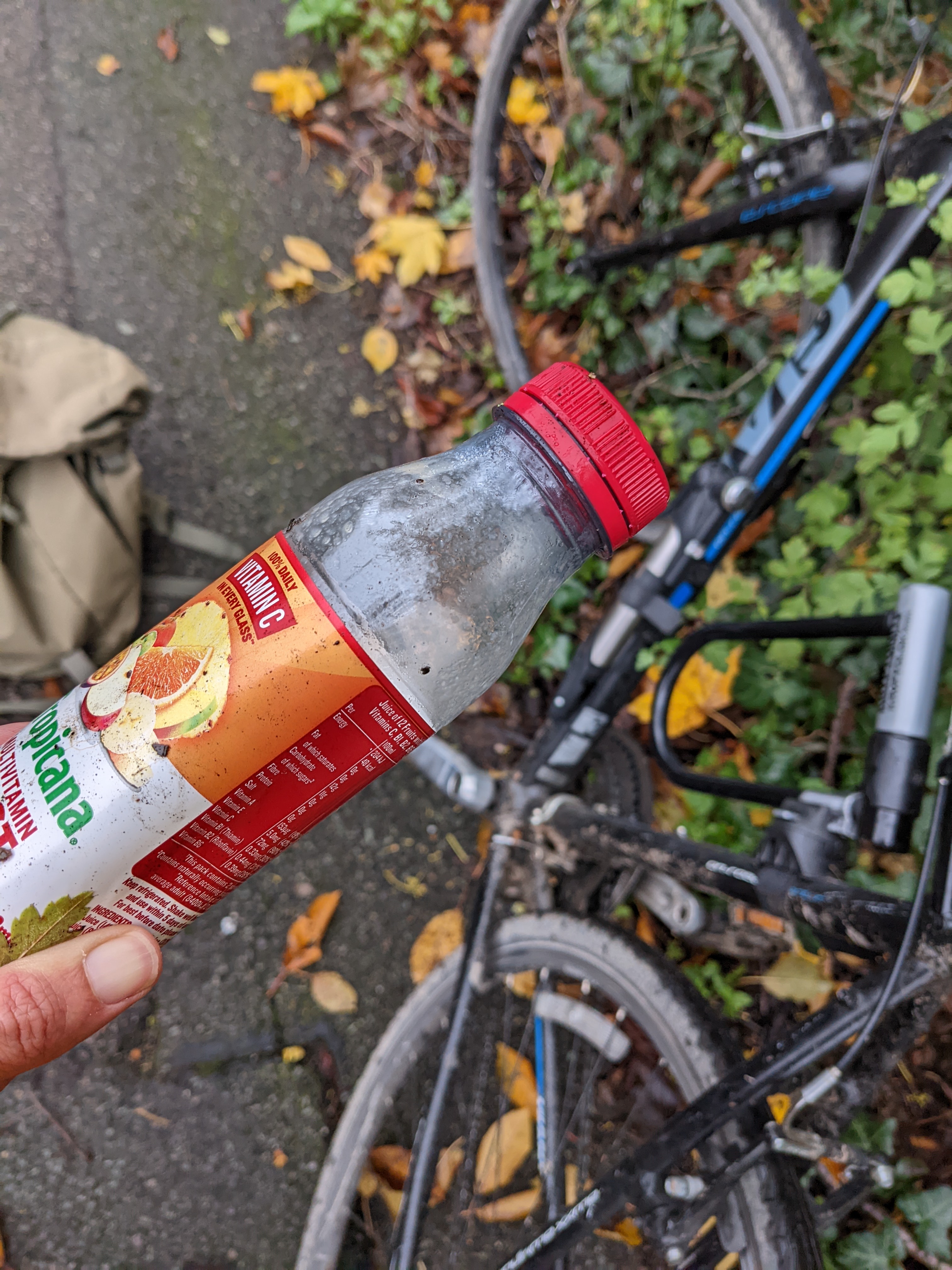
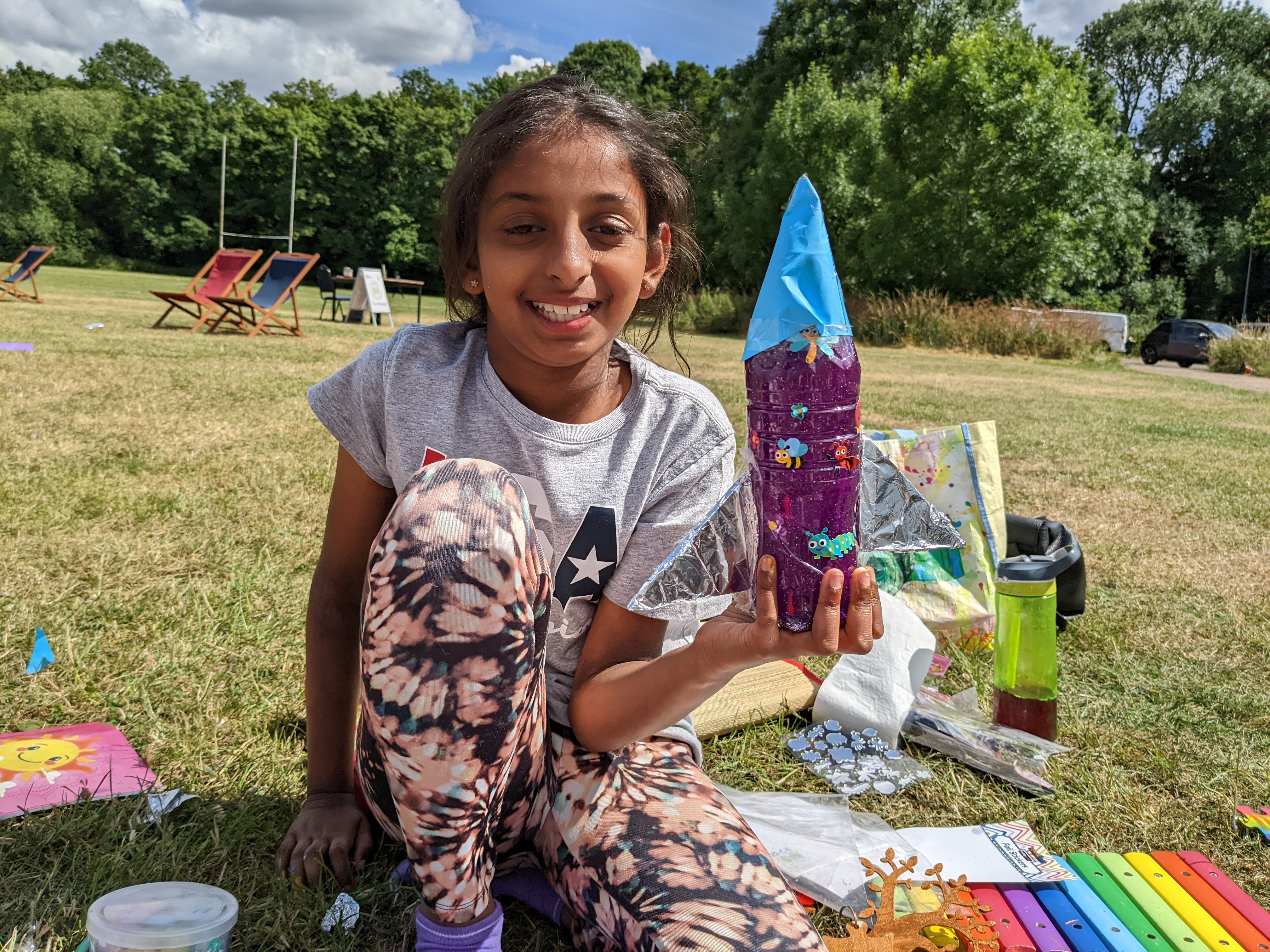
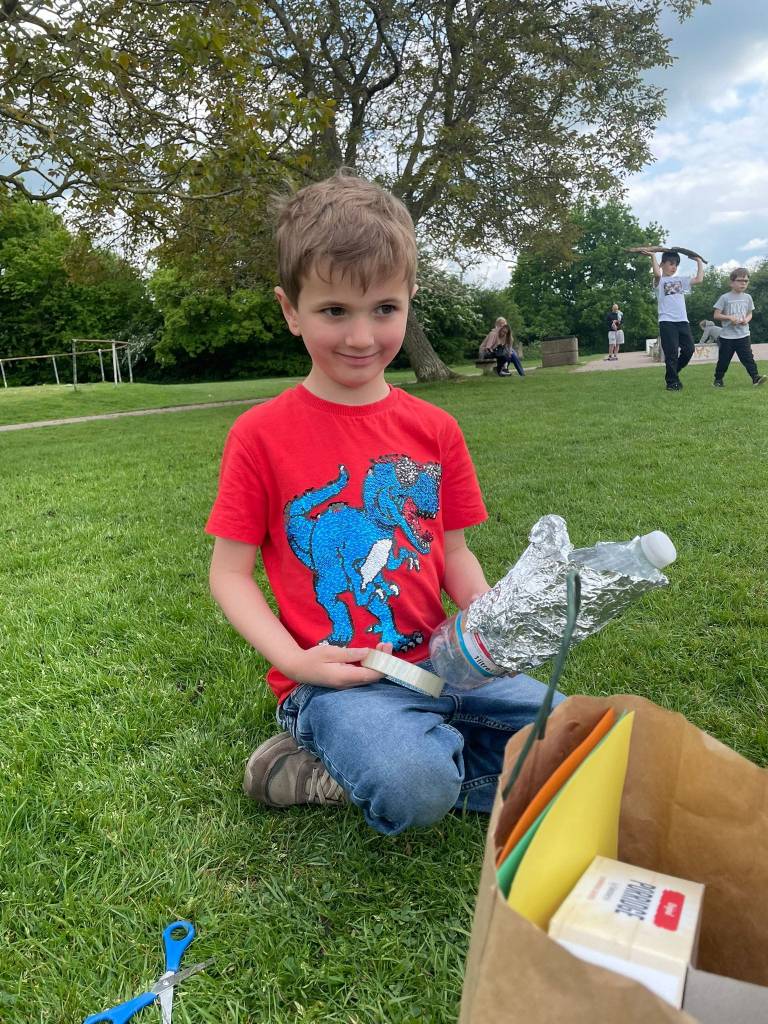
Cycling through Epping Forest in the wet and cold over the past few months has definitely helped to build my resilience too. My sprits well and truly lifted by the changing colours – they were spectacular!! It also provided an opportunity to practice some further mindfulness, and notice the abundance of litter strewn on the verges of the forest and other green spaces in the borough of Waltham Forest. Safe to say that plastic bottles have been recovered, tucked into my rucksack, ready to be recycled as mindful rockets in planet compassion sessions to come. Watch this space!!

Sincere gratitude to everyone that has collaborated and supported planet compassion enterprise this year, it’s been truly amazing. Wishing you a very happy Christmas and winter. Sending compassionate vibes your way.

Little Miss Compassion xxx

Navigating towards a compassionate future

Hi Compassionates

I hope you’ve had a fab summer and have made lots of happy memories of time spent with nature over the past few months, that you can draw on well into the future.  Only three weeks to go until the autumn equinox, when the sun passes the equator and heads South, waving goodbye to the Northern hemisphere. When we are blessed with the seasonal change of Autumn. A great opportunity to reflect on our experiences through the summer months, to guide us on the compassionate path.  

It certainly has been a scorcher this summer with the UK temperatures reaching above 40 degrees, posing extra challenges for people and planetary well-being.  I’m not sure about you, but my appreciation for trees and forests has definitely rocketed. Did you notice the difference in temperature between rural and urban areas, if you were brave enough to venture outside? I did. It was substantial. According to research it can be as much as 9 degrees!

But why so? Urban areas during periods of hot weather are described by National Geographic as ‘urban heat islands.’ This is where the energy created from human activity & technology, like vehicles and industry, is collected and trapped in the surrounding concrete, and asphalt, causing the build up of heat, which can’t escape to higher levels, causing temperatures to soar through both the day and night. Scientists are now researching urban heat islands and their relevance to global warming and climate change, and it’s no surprise to see they are drawing on nature based solutions.

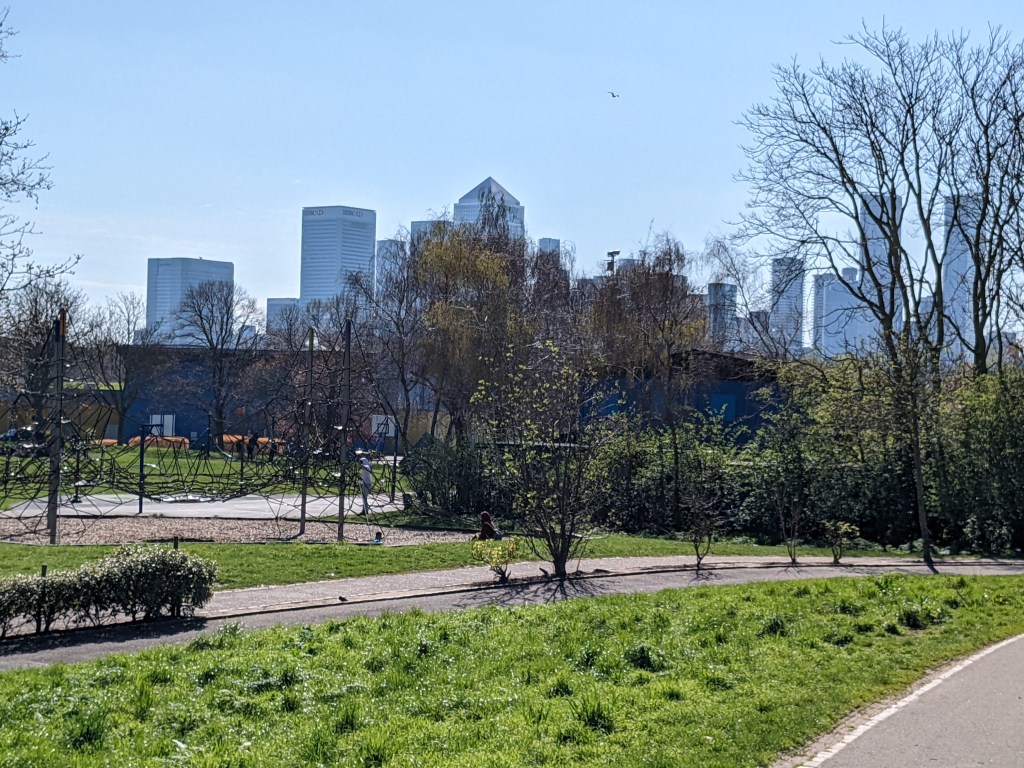
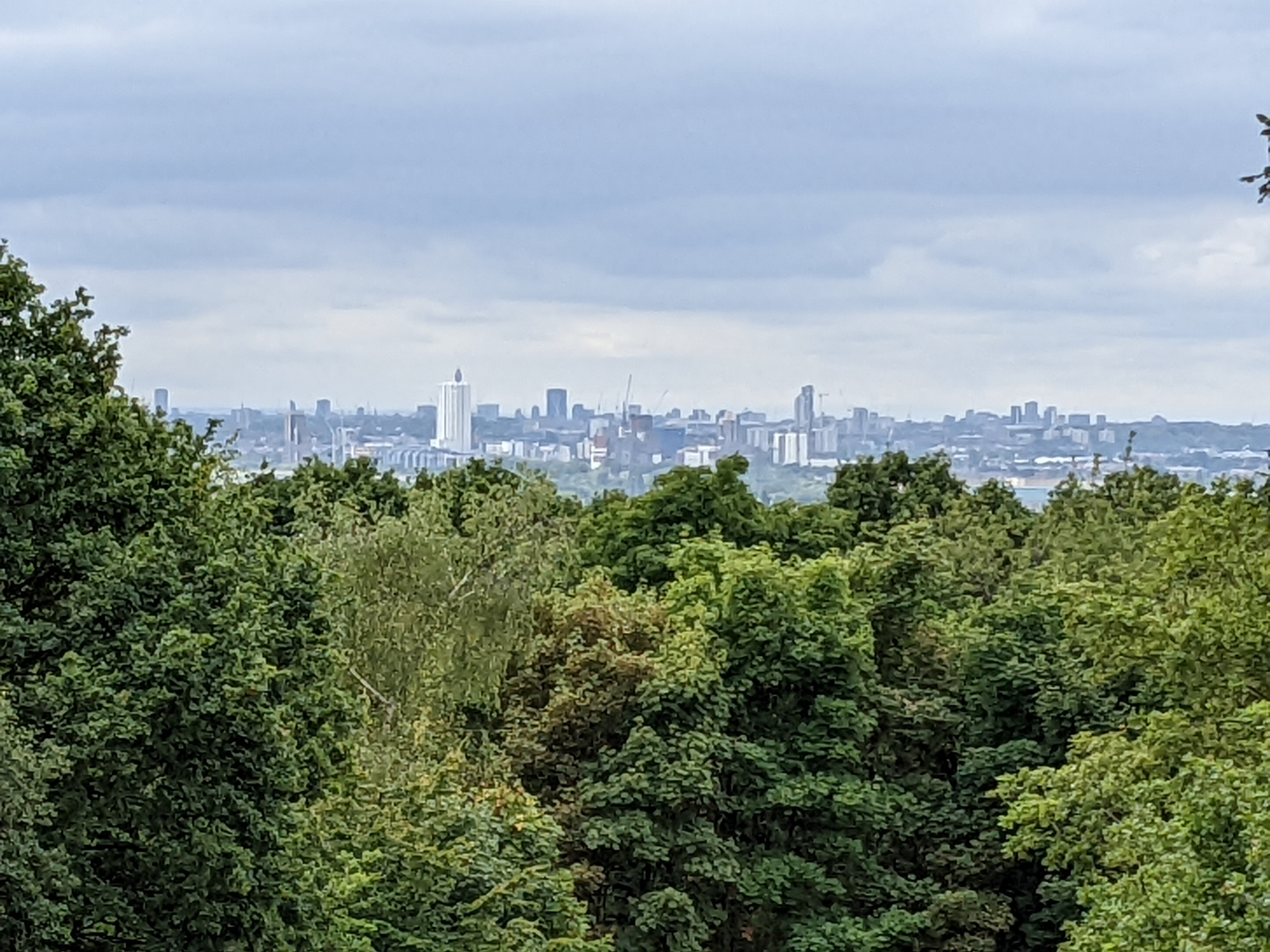
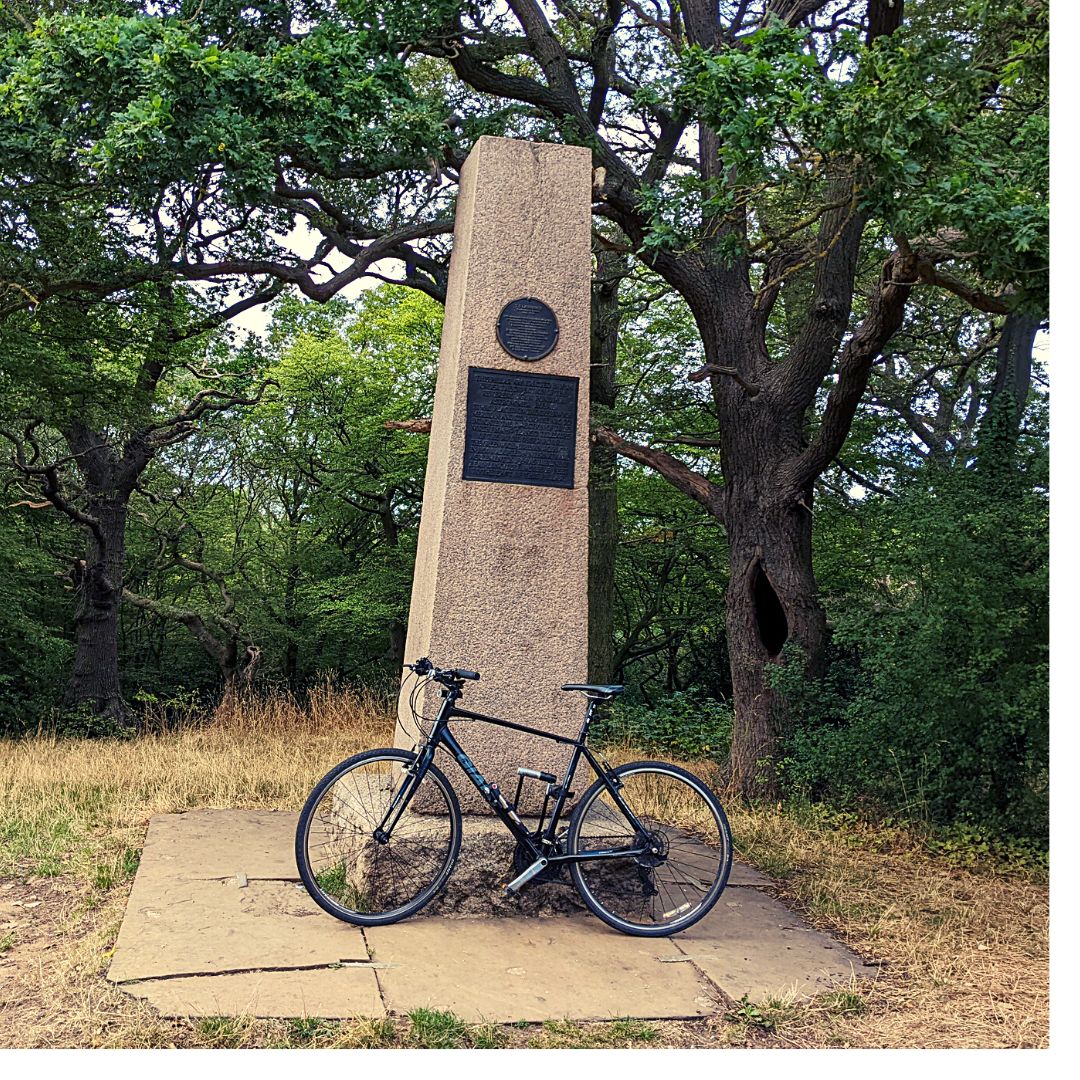
I, for one, am extremely grateful for Epping Forest, London’s largest forest of over 5,900 acres, during the extreme weather. It would have undoubtedly have helped to stabilise temperatures over urban areas, whilst removing toxins from the atmosphere, and improving air quality.  The forest’s geographical significance can best be seen from Pole Hill in Chingford, in the borough of Waltham Forest, where you can see the London city skyline over the top of the trees, several metres from the obelisk at the top of the hill. It’s a great place to not only admire the view but also to reflect on urban effects of climate change, and the forest’s importance for mitigating that.

I have been fortunate enough to visit and and explore the area twice over the past few weeks. My first visit was to watch the rising of the super moon over the city, the Sturgeon moon, the third and final super moon for 2022. Here I was lucky enough to witness bats performing acrobatics in the shadows of Epping forests ancient trees, whilst marvelling at the moon, with Jupiter and Saturn sat either side. But it wasn’t until my second visit that I discovered the Obelisk at the top of Pole Hill, and it’s astronomical significance. The obelisk was originally placed on the Greenwich Meridian to indicate the direction of true North from the transit telescope of the Royal observatory, which basically means that astronomers gazing through the telescope in Greenwich, used the obelisk to align it to a true 0 degrees bearing of longitude, to accurately track objects in space.

Although in later years it was decided that the actual meridian would be 19 feet to the east of the obelisk, it is still a great monument to help remind us of the importance of both nature and technology for helping us to navigate uncertain times with regards to climate change and our future.  Surely if we take the time to connect with nature, and are mindful of the importance for people and planetary well-being, then we will work together to use technology in the right ways, to protect and preserve our planet, especially the green spaces that surround our towns and cities, to help mitigate and adapt to the effects climate change.

Having worked with Alderton Infants school in the Epping forest district through the summer term, helping them to set up their own forest school site, I am forever hopeful that more schools will follow suit and forestry education will form an integral part of the school curriculum so this can become a reality. It was also a pleasure to be involved with the Buckhurst Hill yoga event over the summer, helping to raise money for Epping Forest Heritage Trust.

Have a great autumn!

Little Miss Compassion x

Compassionate craft

Hi Compassionates,

I hope you’re enjoying Spring, and all the magical moments it entails. The taste of delicious milk chocolate, frequent sightings of pink blossoms, wildflowers, the rapid activity of nesting birds, and the health giving warmth of the sun. So much to be grateful for!  I’ve decided to devote this Spring blog post to creation and crafting following three great days with my nephews over the Easter break, and our latest nature and mindfulness meet up in the park to celebrate space day.

Crafting is really great for well-being, no matter our age.  It can instantly take us into the zone, a surrender to the present moment, where life suddenly becomes much more simplistic and calm.  For children, perhaps they instinctively know that crafting it is good for them, as they happily cut, paste, stick, thread, sculpt, they unwittingly work on refining their fine motor skills, and cognitive skills, whilst building self efficacy, that sense of achievement they get when they stand back and say, look what I made, I made that! 🙂

For adults, it’s perhaps more of a mental break as the chatter in our minds is silenced, and we start to appreciate the direct sensory experience of what we are doing.  A  little contented smile may return to our face as we no longer become so concerned with outcome, but instead relax and enjoy the unfolding process, and the sense of possibility. 

Crafting can be an instant stress reliever, the therapeutic value is well documented, and one of the things that first drew me to the occupational therapy profession. It was partly founded on the arts and crafts movement, during the late 1800, at the time of the industrial revolution. Craft programmes were set up for disadvantaged people as an antidote to manufacture and machine production. And also used to help veterans recover during the first world war, as well as during the moral treatment movement, as an alternative therapy to restraining people living in mental asylums. It appears crafting is deeply rooted in humanistic values. And as a creative medium perhaps an important part of what makes us human.

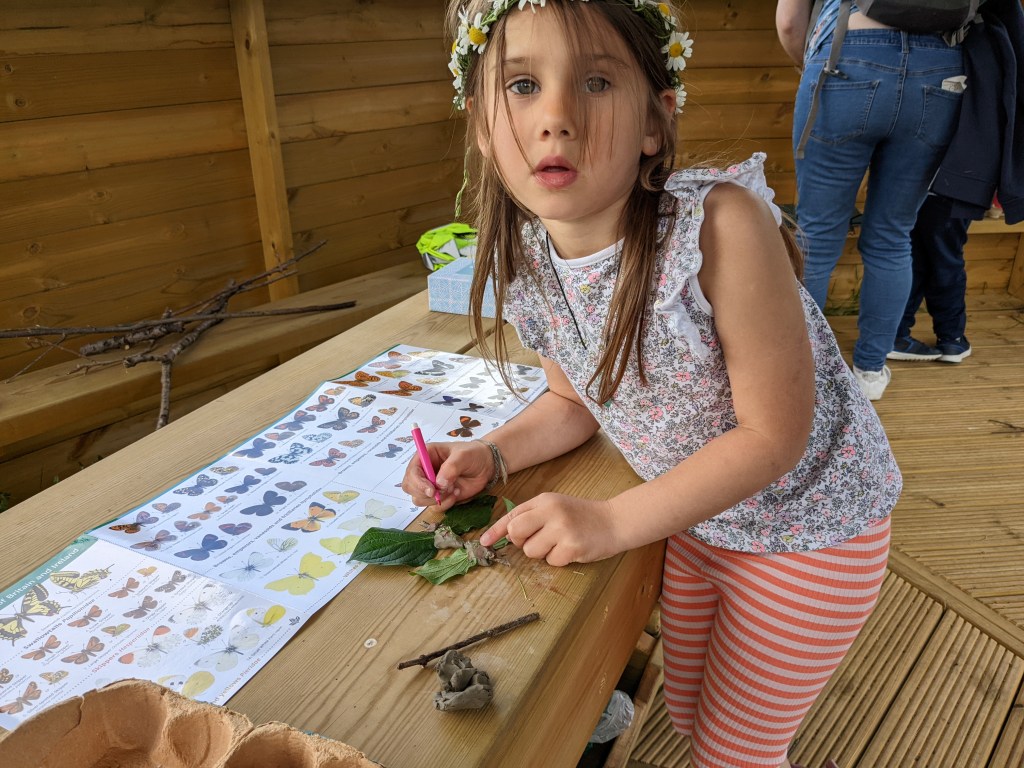
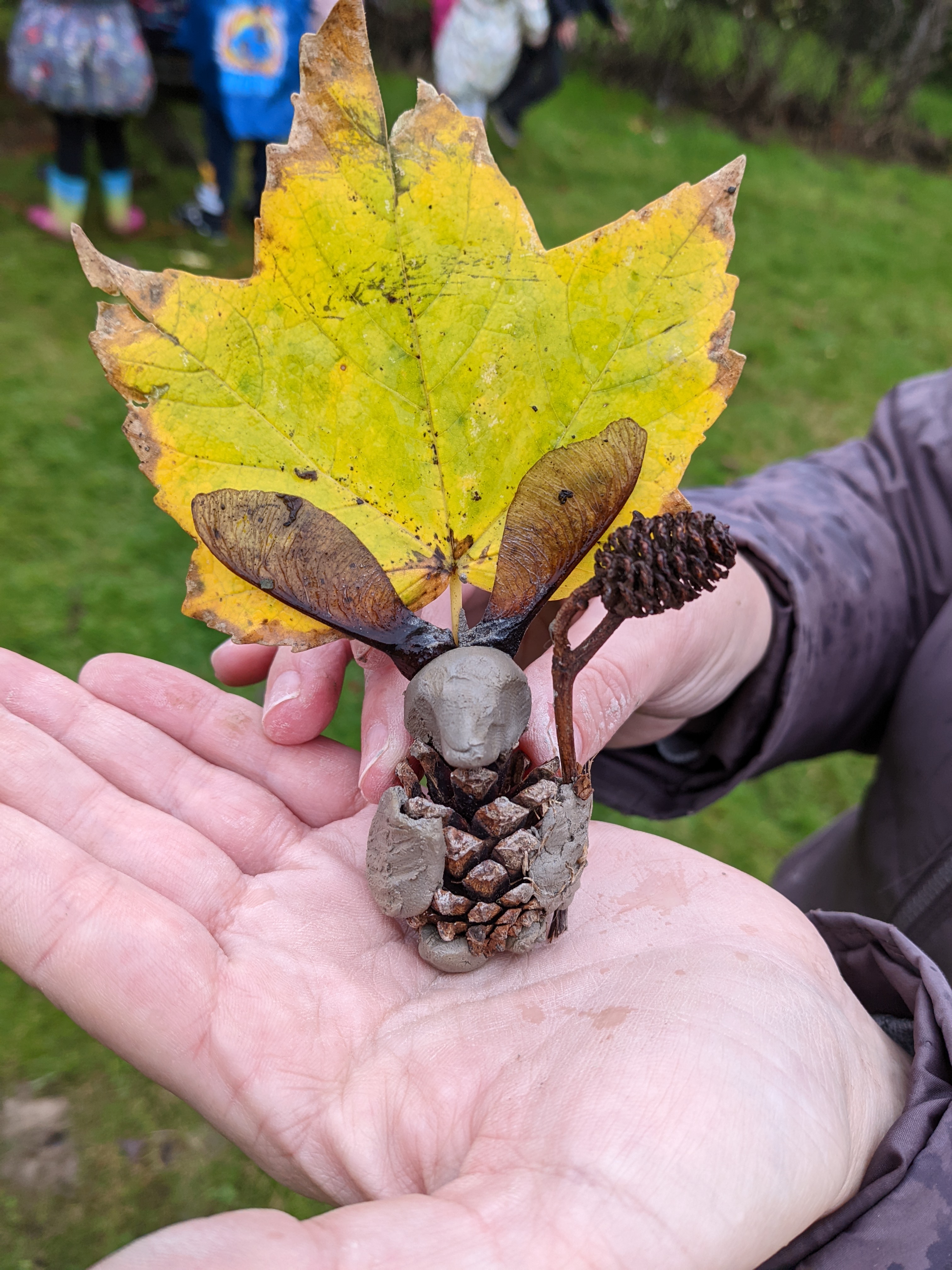
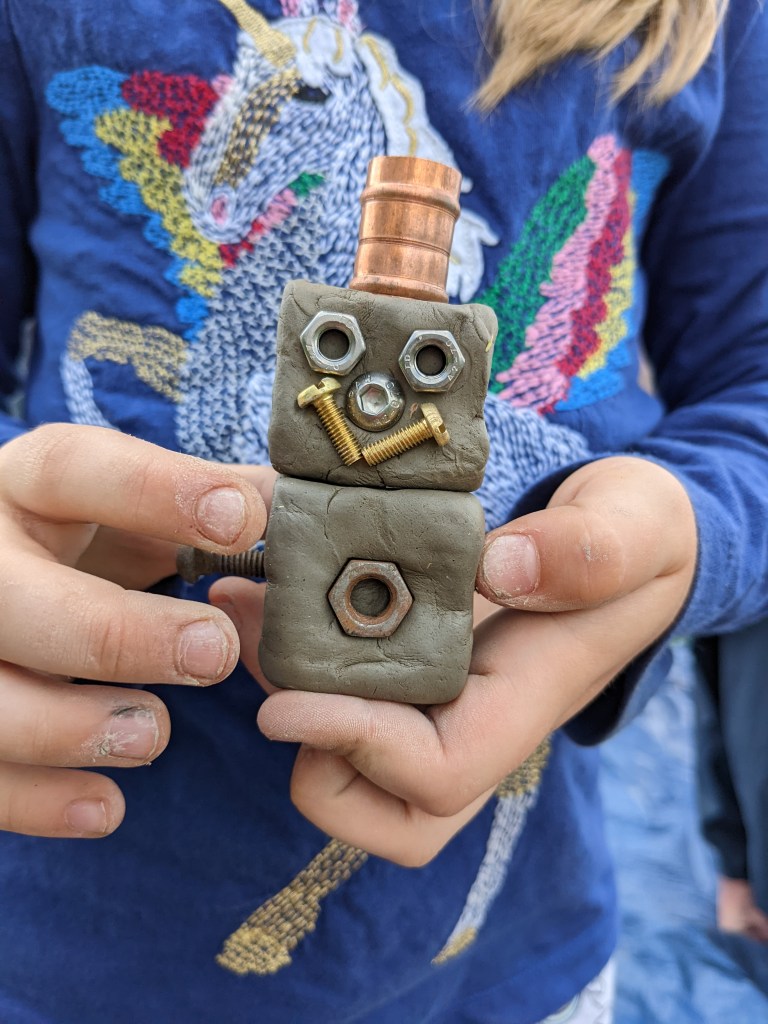
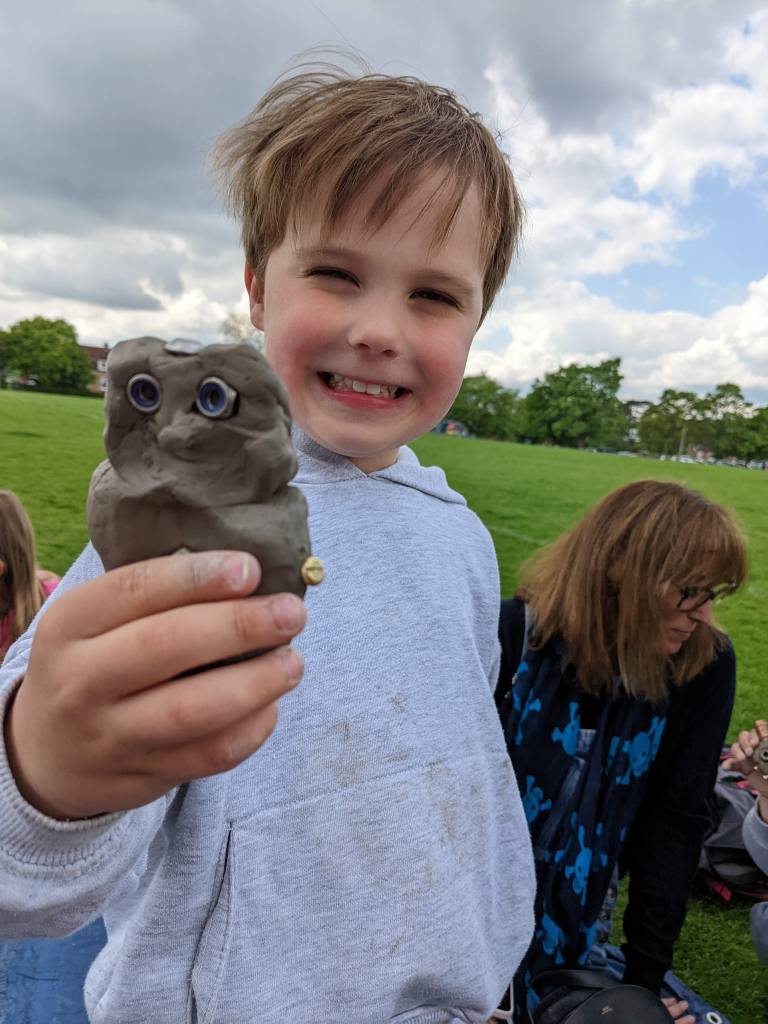
Now I’m crafting outdoors with children for the most part, which is all the more mindful. It was lovely to see the children’s creations last Saturday at the nature and mindfulness meet up. It brought a real sense of joy to watch their creativity unfold, as the clay bots that they made took on personalities of their own. Here’s a picture of one of my favourite bots. It’s got a smiley face, perhaps a compassionate face, do you think it could help us evolve towards a more compassionate future? 🙂

Little Miss Compassion x

From Bannerghatta to Epping Forest

Hi Compassionates!  Did you take your nature pill this week?  120 minutes a week is all you need to feel a significant difference to emotional and mental health, according to research. But any period of time, whether it’s minutes or hours, will definitely provide a boost to well-being.  A good way to measure this, is to check in with yourself after spending time with nature. You can ask yourself three simple questions 1) how does my head feel? 2) how does my heart feel? 3) how does my body feel? Try it! You can see the effects for yourself 🙂 

I was fortunate enough to experience an extra boost to well-being throughout the month of January, as I chanced on a trip to India, overcoming pandemic paranoia. And stayed with a wildlife conservation charity, advertised as ‘house in the forest’ on the outskirts of Bangalore, a place to stay and enjoy nature.

A Rocha, the name of the charity, means A Rock in Portuguese. It was founded in Portugal by an English couple in 1983, and has Christian origins. Their mission is to protect creation, to prevent biodiversity loss through wildlife conservation. There is some fantastic wildlife in India, I’m talking about large mammals, tigers, elephants and leopards. And in such close proximity to the city too! This is what makes it a unique story. Bannerghatta national park is only 20 kilometres south of Bangalore, and large mammals such as elephants and leopards can sometimes wander into the city, or around the bordering farms, and unwittingly cause havoc, elephants feeding on and destroying farmers’ crops.

The damage to crops provokes arguments and conflict. Can you imagine arguing with a 4000 kg elephant? 🙂 Fatalities naturally occur, loss of life. And A Rocha helps to mitigate that, largely through education programmes and scientific research. They are doing a fantastic job, and comprise a very passionate team. But despite their best efforts the situation is worsening, as Bangalore city continues to expand, and bordering land continues to shrink e.g. the wildlife habitat.

In my eyes this highlights the vital need for nature connection programmes, opportunities for children and young people to form a relationship with the natural world and form the passion and commitment to protect it. It’s my hope that through facilitating nature connection, the children that I spend time with, will grow up to become zoologists, biologists and wildlife conservationists and work for charities such as A Rocha. It all starts with the opportunity to make that heartfelt connection.

I had many such heart felt experiences whilst staying in Bannerghatta forest at the field studies centre, with plenty of opportunity to practice forest schools and mindfulness. I had many happy encounters with birds, reptiles and amphibians, and was completely spoiled with many fascinating insects to observe, including butterflies, bee’s, beetles, dragonflies, wasps, and damselflies.

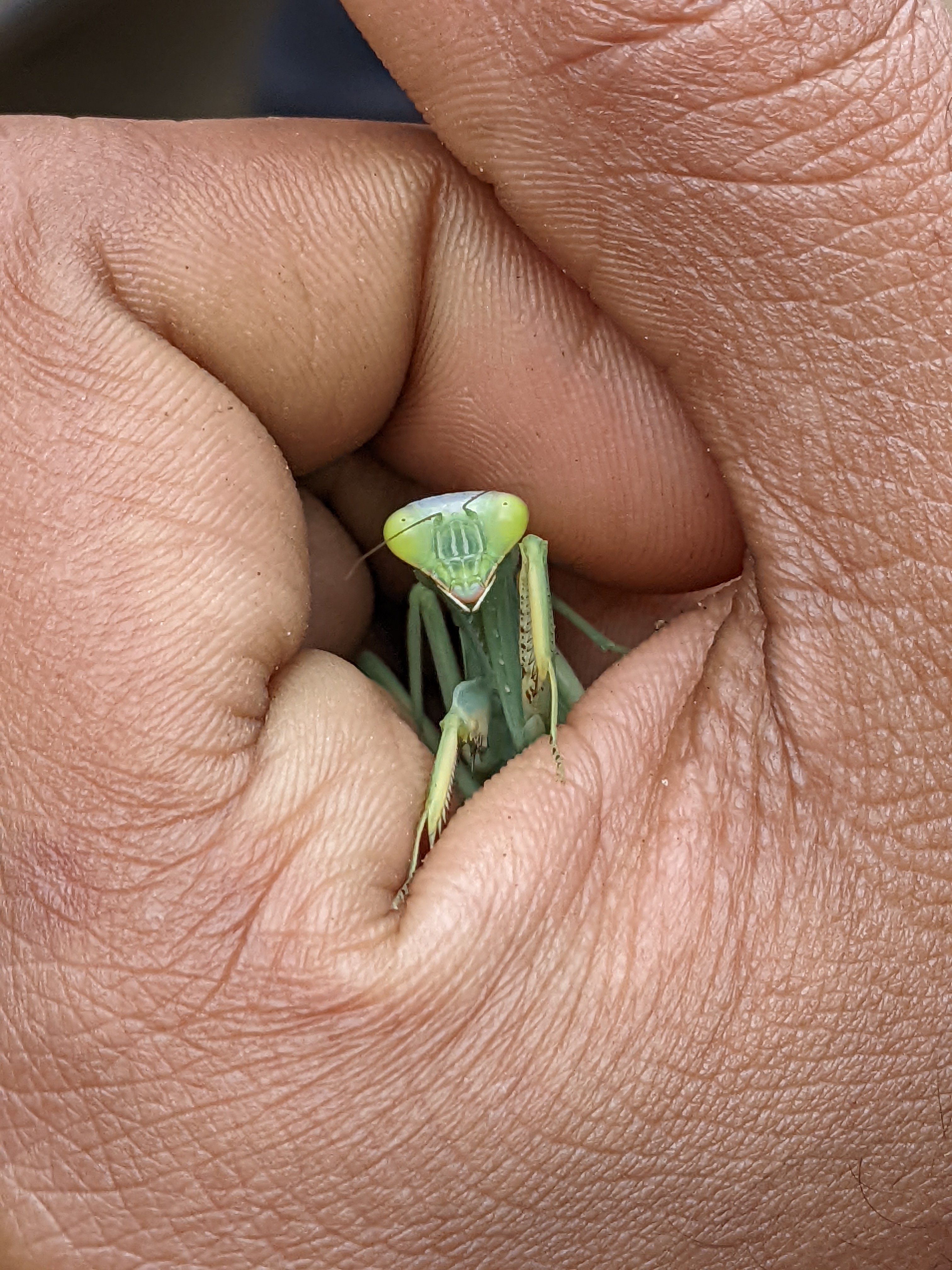
I also met a praying mantis which was both a fascinating and joyful experience.  Did you know it’s called the praying mantis because it rests with its hands in a prayer position? Awwww that’s kind of cute!  But don’t be fooled by the holy sentiments. It can actually consume its mate, if particularly hungry, as well as feast on small birds and amphibians…  you have to admire the little critter 🙂

Now I’m home, and have returned to Epping Forest. It’s not quite as exotic!!  But it’s still extremely valuable and beautiful all the same. It’s London’s largest forest, and home to many smaller, cute, endearing, and less threatening mammals. It’s important for preventing climate change, and supporting natural processes that are the bedrock of our health and well-being. And let’s not forget that British wildlife is in trouble too, with over half our species in decline many now face extinction.

So if you haven’t already visited, you definitely should, whatever the season there are many treasures to discover in and around the forest. It all starts with that heart felt connection, so get out and enjoy it.  I20 minutes a week is all you need but hopefully much much more…

I’m definitely going to. I hope you will too.

Little Miss Compassion x